
 Sofia Martin
 Wherever you go, there is a constant negotiation between time, strength and will to move the body. Working out at home exercises quietly increases the challenge to the seeming answer of running. At home, you can feel more natural and regular because you do not have to deal with traffic, weather stress, or the need to prepare long before the trip. It is a matter of distance and speed but also effort, variety and the involvement of the entire body. To a large number of individuals, that change is the only one that can affect the number of calories that the body can utilize. Flexibility, comfort and personal rhythm are also aspects of home workouts that can be used to form long-term habits. This does not imply that either of the approaches acts as a substitute for the other, but rather, it creates a fascinating prospect to be examined.
Understanding the calorie burn beyond cardio
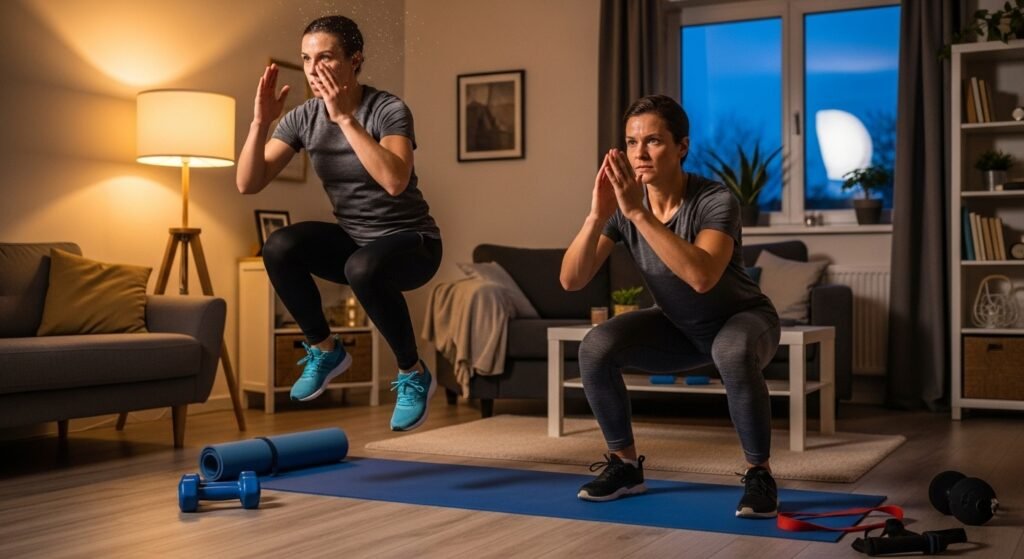
Burning of calories is not simply concerned with the rate of movement of the feet. It mostly requires intensity, muscles, time and the recovery requirements. Home exercises have the capacity to mix various factors simultaneously, and this may affect the energy expenditure in a different way compared to slow running.
The contribution of full-body movement

Numerous home workouts are combined with arms, the legs, and the core. In this case, it is possible that the body may need more energy when a higher number of muscle groups remain active. Such joint action is even more tiring than forward movement with a repetitive action.
Consistency and time efficiency
Home sessions can be conducted in shorter sessions that are easy to incorporate into day-to-day activities. In instances where exercise is consistent, there is a possibility of an increase in total calorie expenditure in a week. Regularity of a given activity is also important in most cases.
Intensity control without pressure

At home, intensity may increase or decrease without any force. It is easier to pause, increase or decrease movements. Such a bending is possible to sustain the elevated levels of effort without having a mental resistance.
Muscle engagement and energy requirements

Bodyweight exercises usually demand the muscles to hold the body and stabilize it. The result of that constant activity can be increased energy demands both during and after the session. The running activity is more inclined towards individual muscle patterns.
No barrier like weather or place
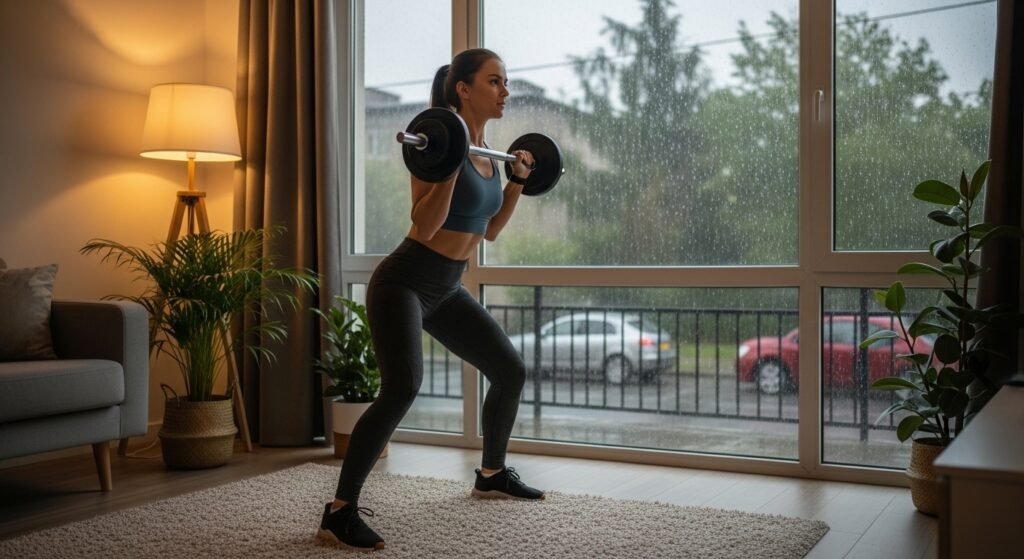
Rain, heat or a busy street may slow down the frequency of running. Home exercises eliminate these challenges. A reduced number of excuses can contribute to an increased total movement, which can affect the amount of calories burned per week.
Reduced joint stress for some bodies
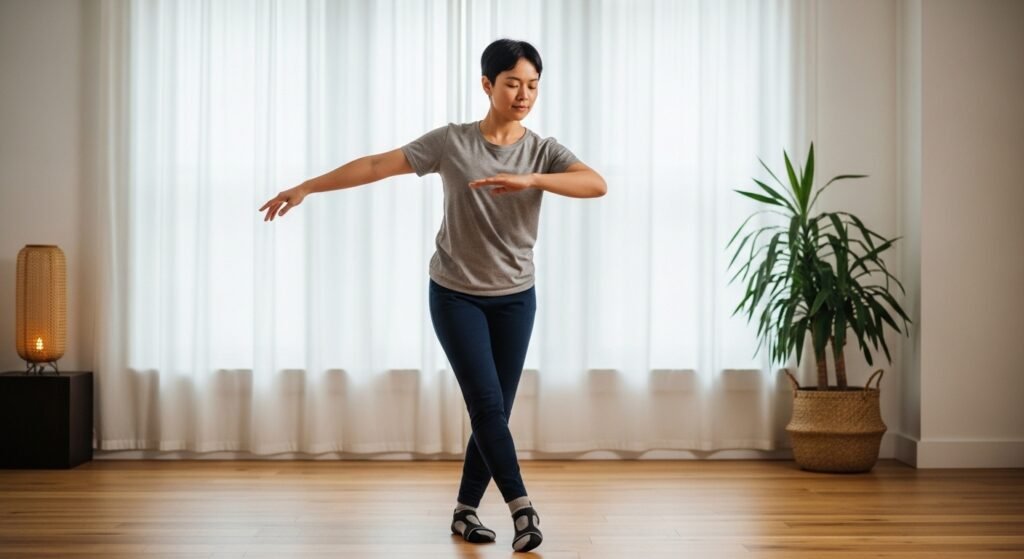
Some individuals have a reduced joint load during controlled domestic movements. In case of lower discomfort, the time of the session can be more extended, or it can be less demanding, and the energy can be used continuously without exhaustion.
Custom pace without comparison
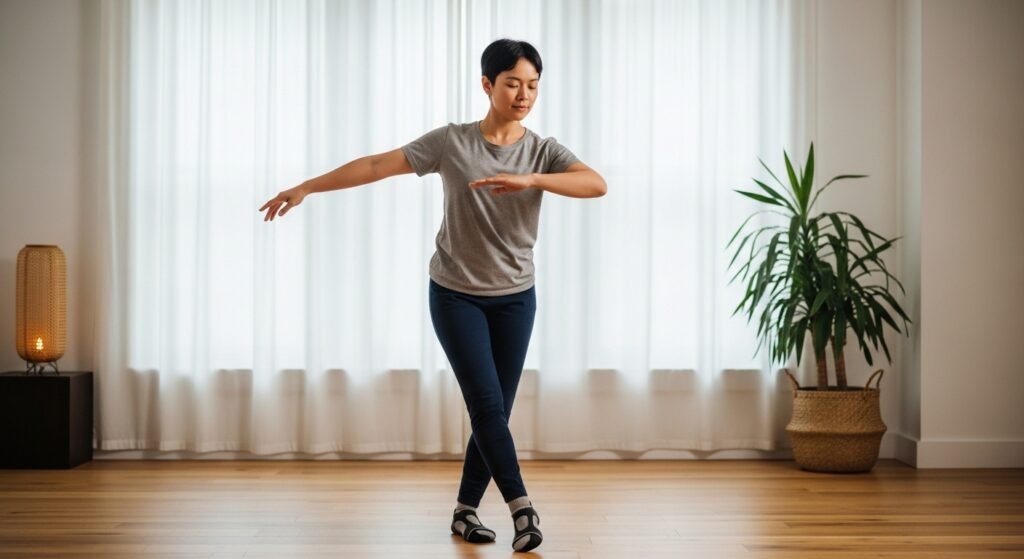
At home, he need not keep pace with anyone. Working at an individual pace can help one to work longer. This self-regulation flow can aid in regular calorie expenditure.
Space for recovery and adjustment
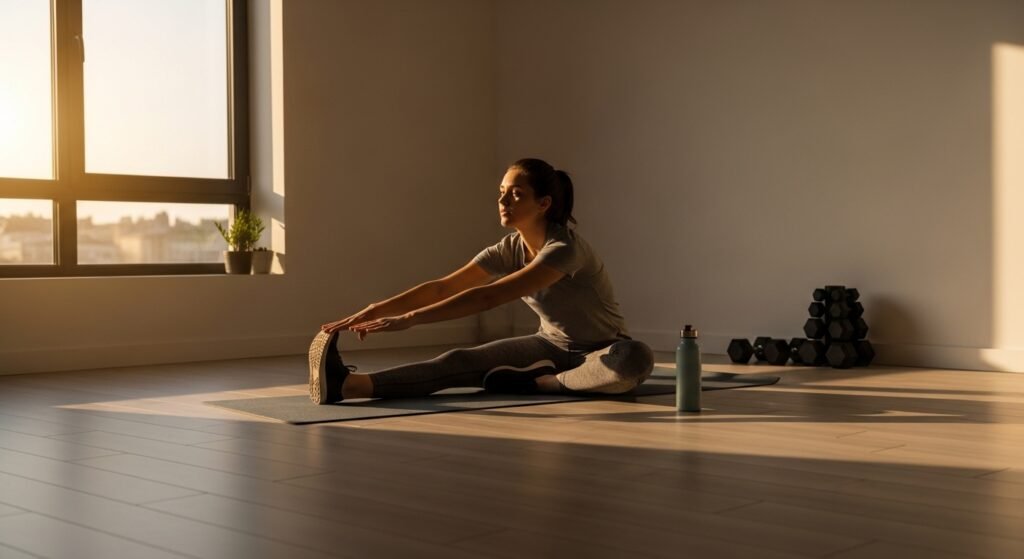
Home is easy because of quick breaks, stretching or changes in movement. Such flexibility also allows one to work even harder in general but still be attentive to their bodies.