
 Sofia Martin
 It may not be as easy to build your muscles after your 40s as it used to be when you were younger. There is an energy change, recovery can be delayed, and the body can, at times, act in a manner that you have not anticipated. Nevertheless, according to numerous physicians, this is the period of life when it is possible to pay much attention to strength and general health. It might be quite possible to continue with muscle-building with prudent modifications, patience, and regularity. It may no longer be the heaviest weights in the room, but the smarter training helps the body to feel like it can be sustained. Little, gradual progress would accumulate with time and would make you feel stronger, more stable and more confident in day-to-day life.
Starting with moderate weights
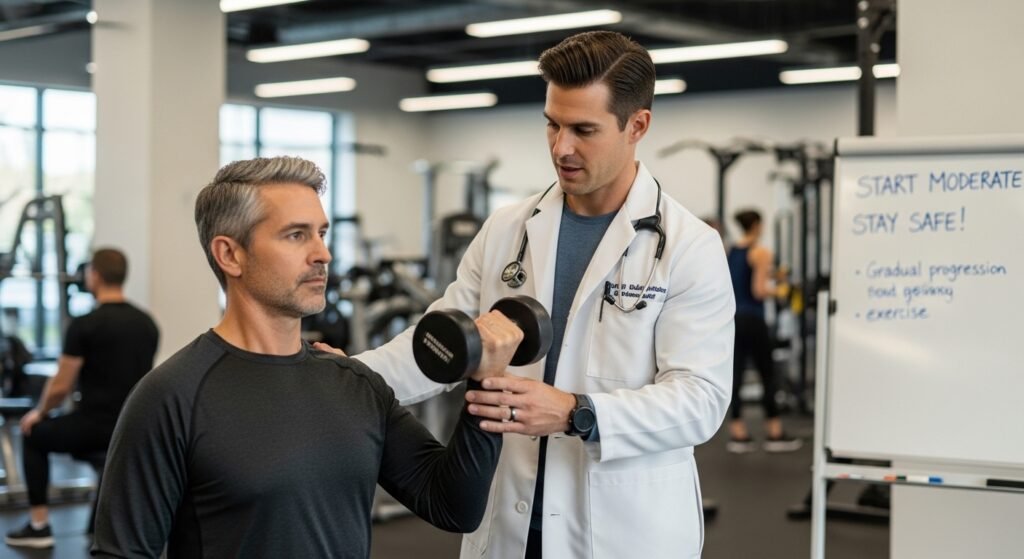
Some physicians suggest that people should start with moderate resistance instead of hopelessly lifting heavy loads. This would have a chance of letting the body adjust slowly and prevent any form of pain, yet it would promote muscle building.
Allowing more recovery time

In the 40s and later, it can take a long time to recover. Rest days may have a larger role to play. Muscles could be more responsive with enough time to recuperate, and this could facilitate consistent and sustainable improvement.
Incorporating compound movements

There may be some additional advantages to exercises that involve more than one muscle group simultaneously. Lifting exercises such as squats, rows, and presses may also prove more productive and may possibly cause wider muscle engagement.
Monitoring hormonal changes

The changes in hormones may take place after 40 and may affect muscle weight and recovery. Others prefer to talk to the medical practitioners about these changes so that they can know how their bodies might be reacting to training.
Adding low-impact cardio

Any cardio need not be long and tiring. Vigorous exercise, such as brisk walking or cycling, may help maintain the health of the heart but may not significantly load the joints, which may be used to supplement muscle-building exercises.
Supporting joint health
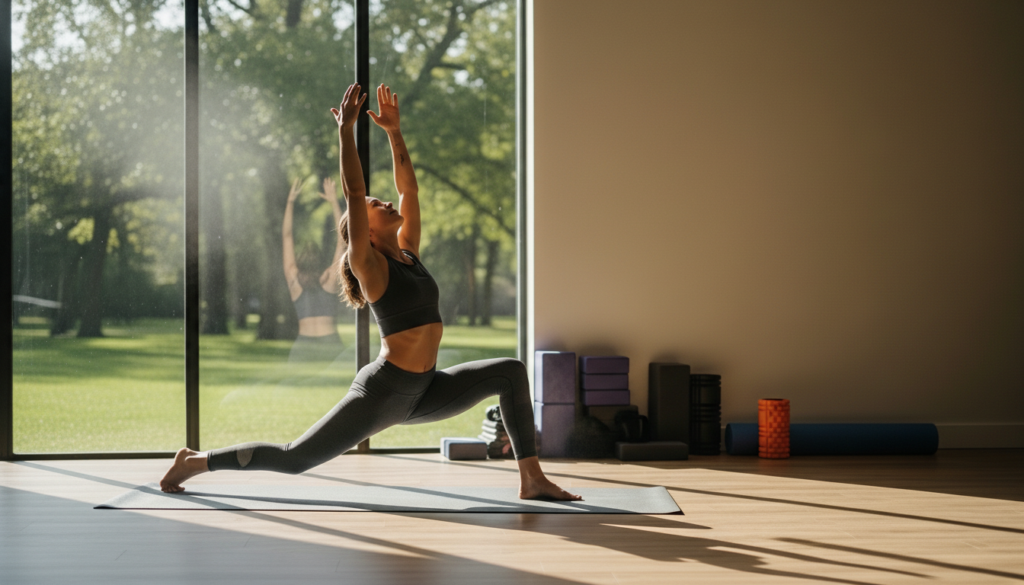
The joint comfort can affect the regularity of training. The exercises may involve stretching and mobility workouts and may need supervision by a physical therapist to ensure that they remain flexible and not stiff during the exercise sessions.
Tracking progress gradually
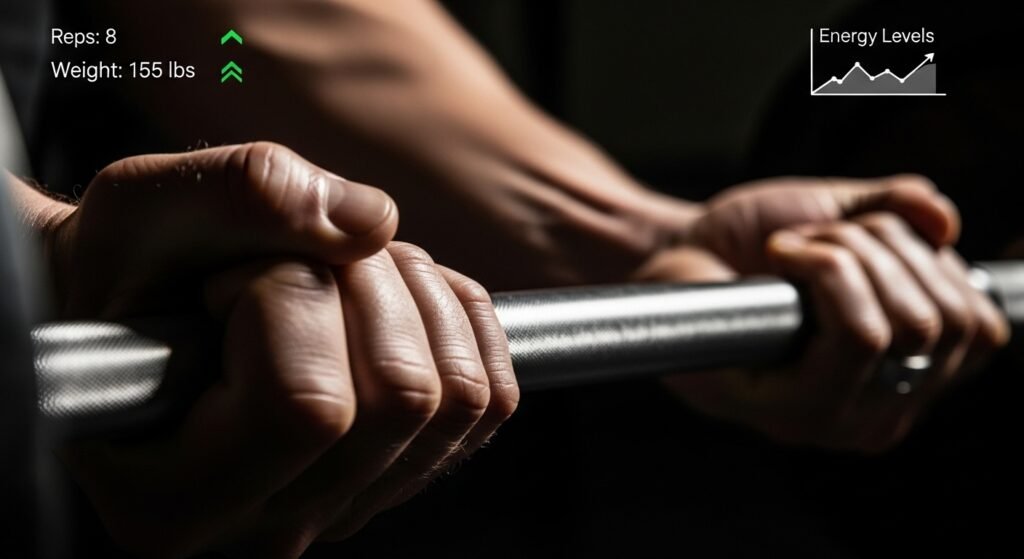
After 40, things may have changed. Monitoring of strength, endurance, or energy daily might act as motivation, although visible muscle changes may take some time to manifest.