 Sofia Martin
 Professional wrestling is not a game where plans are made. What might appear exactly as intended on the television screen might change hours before the television show commences. The fact that it is unpredictable is one of the reasons why WWE is interesting. It is always a question to the fans why a match outcome is varied, a surprise return delayed, or a storyline suddenly shifted in another direction. Although the company normally does not disclose its internal decision, there are a few possible causes that explain why such a last-minute decision occurs. Several factors may affect those abrupt turns that everyone is discussing the following morning, as far as injuries are involved and even business decisions.
Unexpected crowd reactions
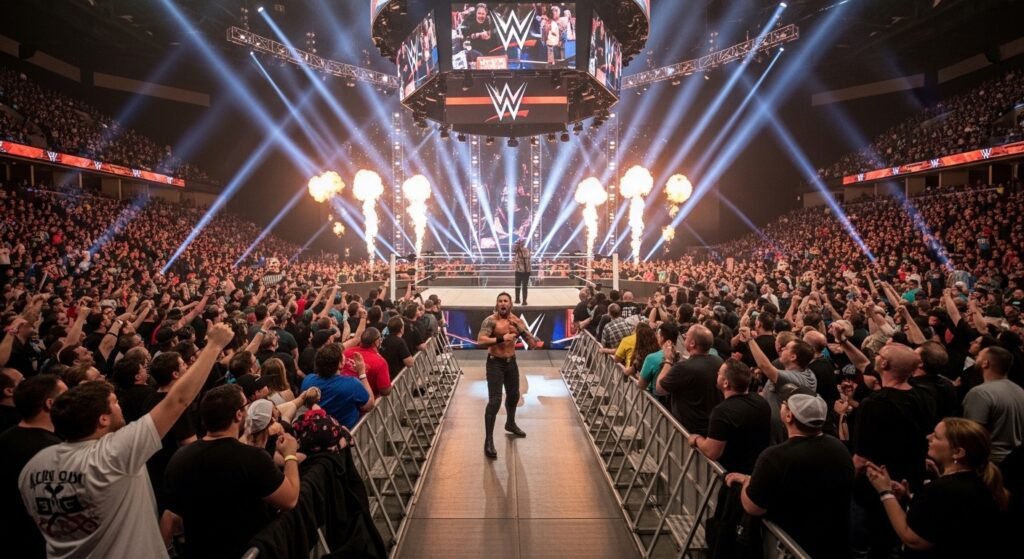
Fans are occasionally reacting in a manner that nobody could have ever imagined. A superstar was supposed to be cheered and maybe booed, or the contrary. When the reaction is that strong, creative initiatives could change fast to conform to what the audience appears to desire.
Health assessment and safety inspections

WWE abides by the medical practices, particularly in the area of concussions. In case a performer demonstrates some alarming symptoms, the authorities might choose to postpone plans. It may not be immediately apparent to the audience, but safety checks may be able to make a difference without noises.
Travel issues or delays
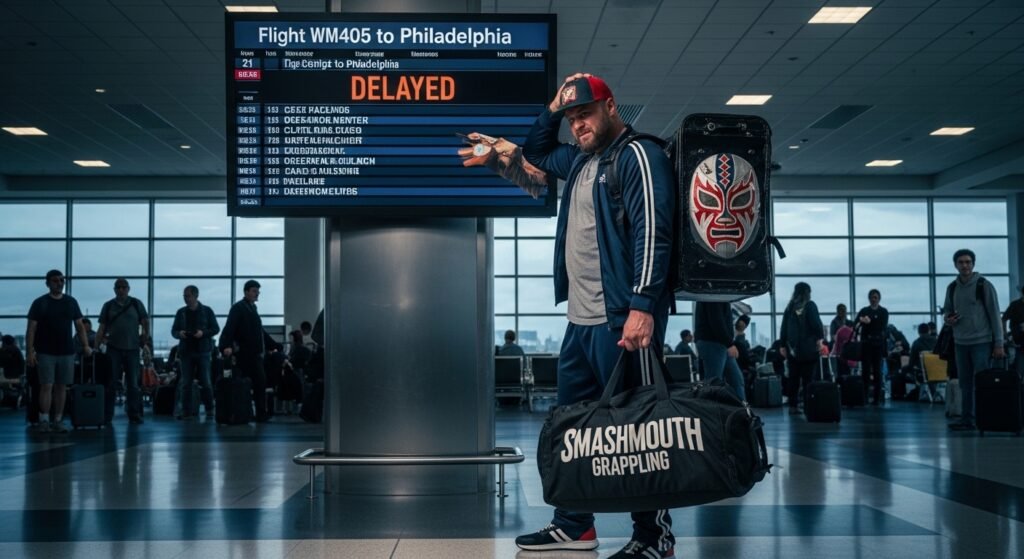
Travel problems such as complications happen occasionally because it has an international list. Flights may be postponed, or there may be problems with visas of performers. In case a person is unable to show up in time, WWE may be forced to rewrite sections just before the event.
Protecting storylines in the long run

Although a match may be changed, it may be in the interest of a greater thing. WWE might postpone such a huge payoff in order to create a greater buildup. Something that seems abrupt may be a component of safeguarding a long-term narrative plot.
Testing new character direction
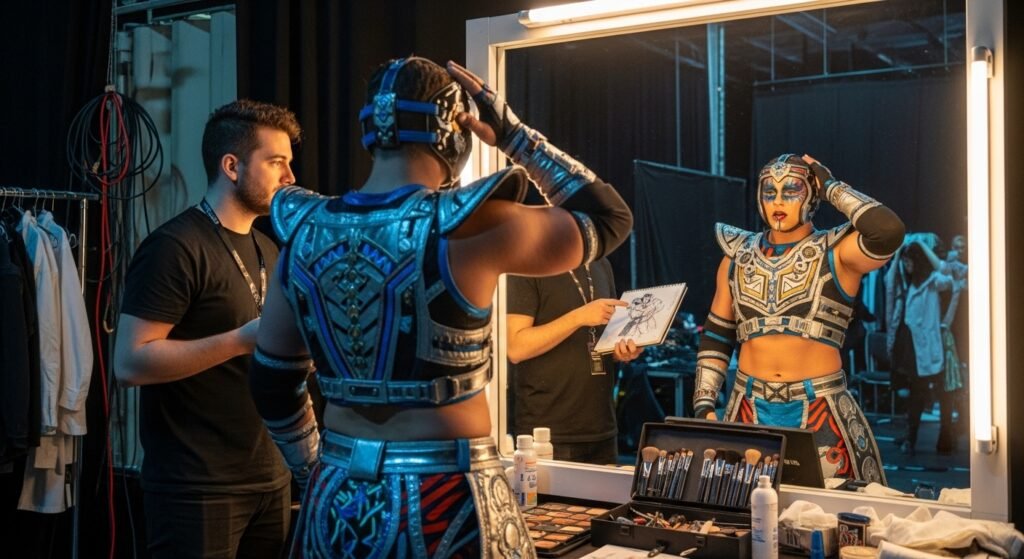
When an actor or actress introduces an alternate character and it is not an immediate hit, some changes can be made. Artistic groups may develop catchphrases, clothing, or friendships on the basis of initial feedback based on live audiences.
Surprise appearances falling through
Cries of shock returns usually spread before major events such as WrestleMania. In case of a mismatch of negotiations or schedules at the very last moment, WWE can just drop the segment and shift to another direction.
Plans of championships being protected
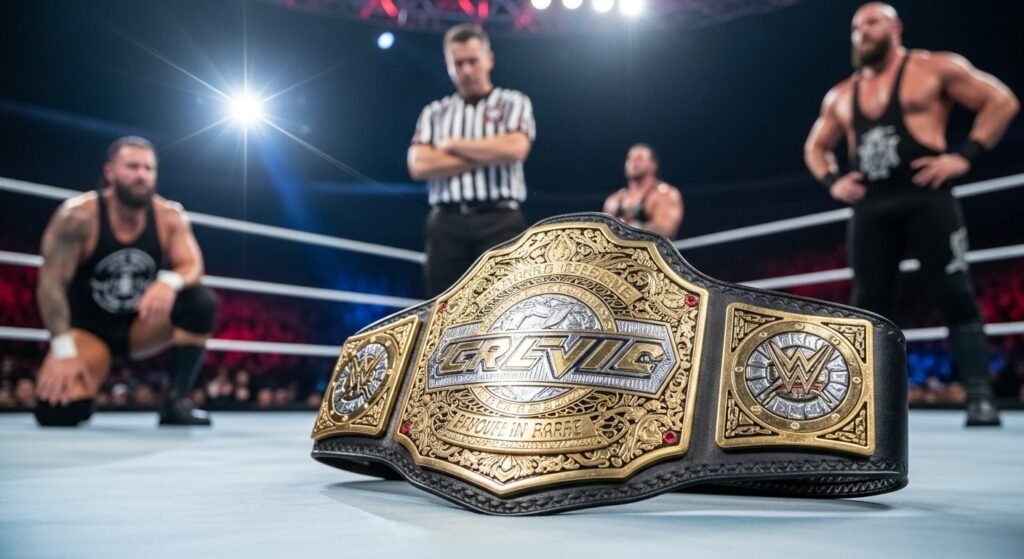
Key storytelling devices are titles. In case WWE believes that a title change must be done on a grander scale, then the company can delay it. The delay might be a more powerful moment to come despite the fact that it may shock the audience in the short-term perspective.
Testing audience patience
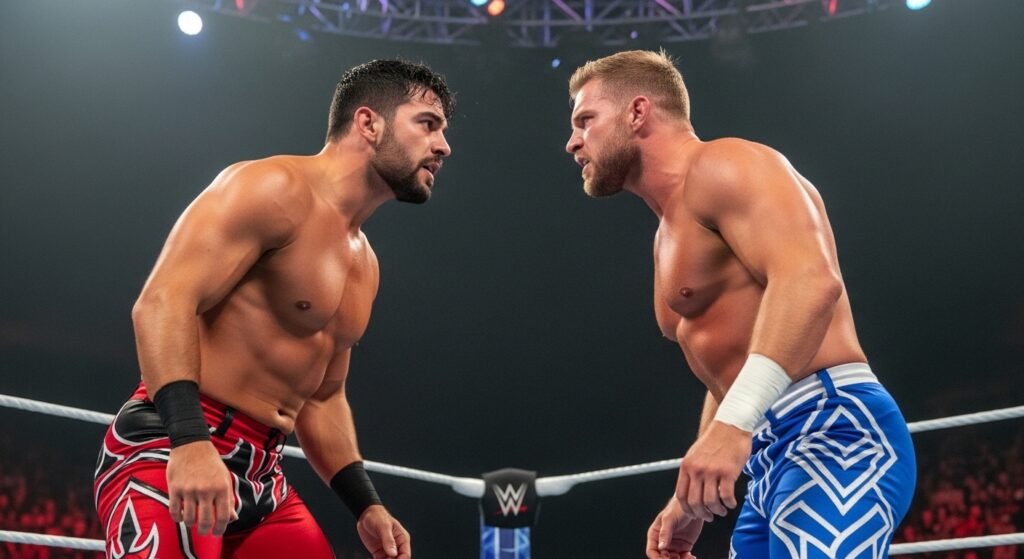
WWE also tends to assess the level of investment of fans in a rivalry. In case a reaction is mixed, the officials may lengthen or cut a feud. These minor changes might represent the continuous audience feedback.
Contract or negotiation updates
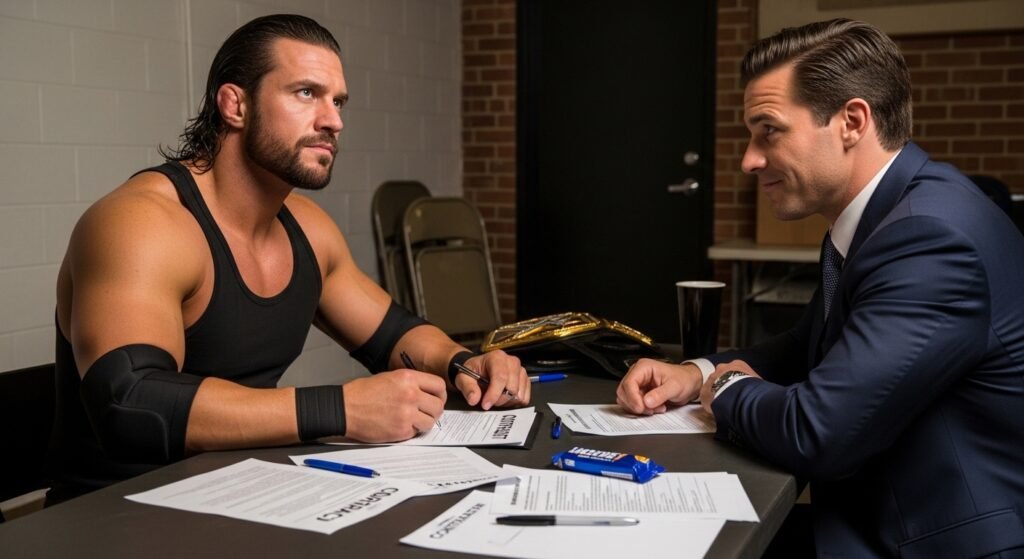
Contract negotiation can be conducted off-site. In the event that the status of a performer shifts near an event, WWE can tweak plotlines to accommodate such uncertainty but leave things open.
Retaining the element of surprise
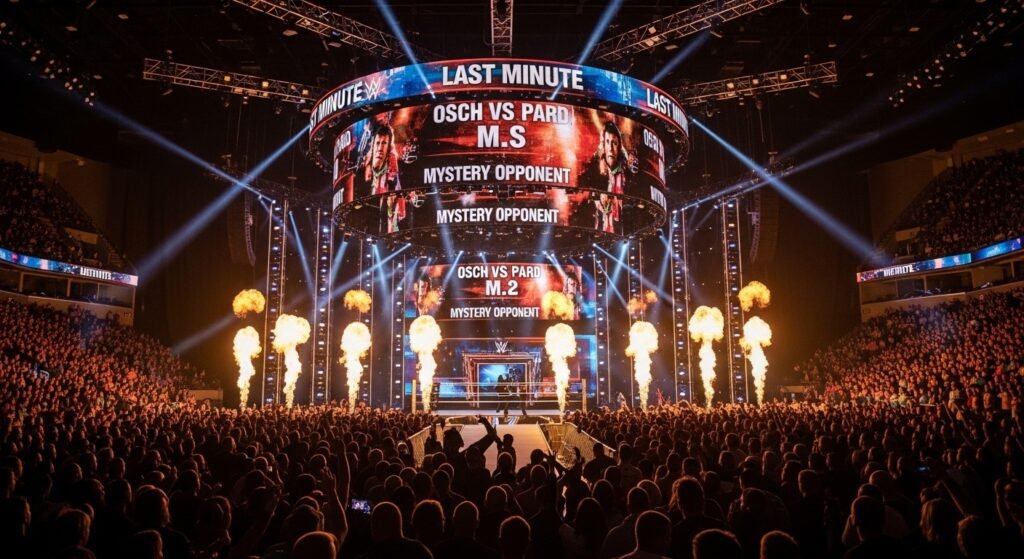
At best, WWE lives on uncertainty. The last-minute changes can not alter anything but may only keep that feeling alive that anything is possible. Although this may be annoying occasionally, such spontaneity usually helps leave fans guessing and returning to watch again.