 David Latin
 Most individuals have the imagination of professional athletes spending hours and hours in large training centers with costly equipment. Although this might be true in some instances, most athletic habits are, in fact, initiated in a much less complex location, sometimes even at home. It is not the concept of imitating all the extreme routines that professionals use. Rather, it could be regarding the integration of the attitude and minor everyday routines that allow them to remain consistent and focused. The approach to a personal training space can easily be a living room, a small workout corner, or a backyard. All this would need a bit of planning and time, but with time, even regular routines at home would begin to feel organized, meaningful and even somewhat like the preparation that athletes depend on.
Understanding The Athlete Mindset
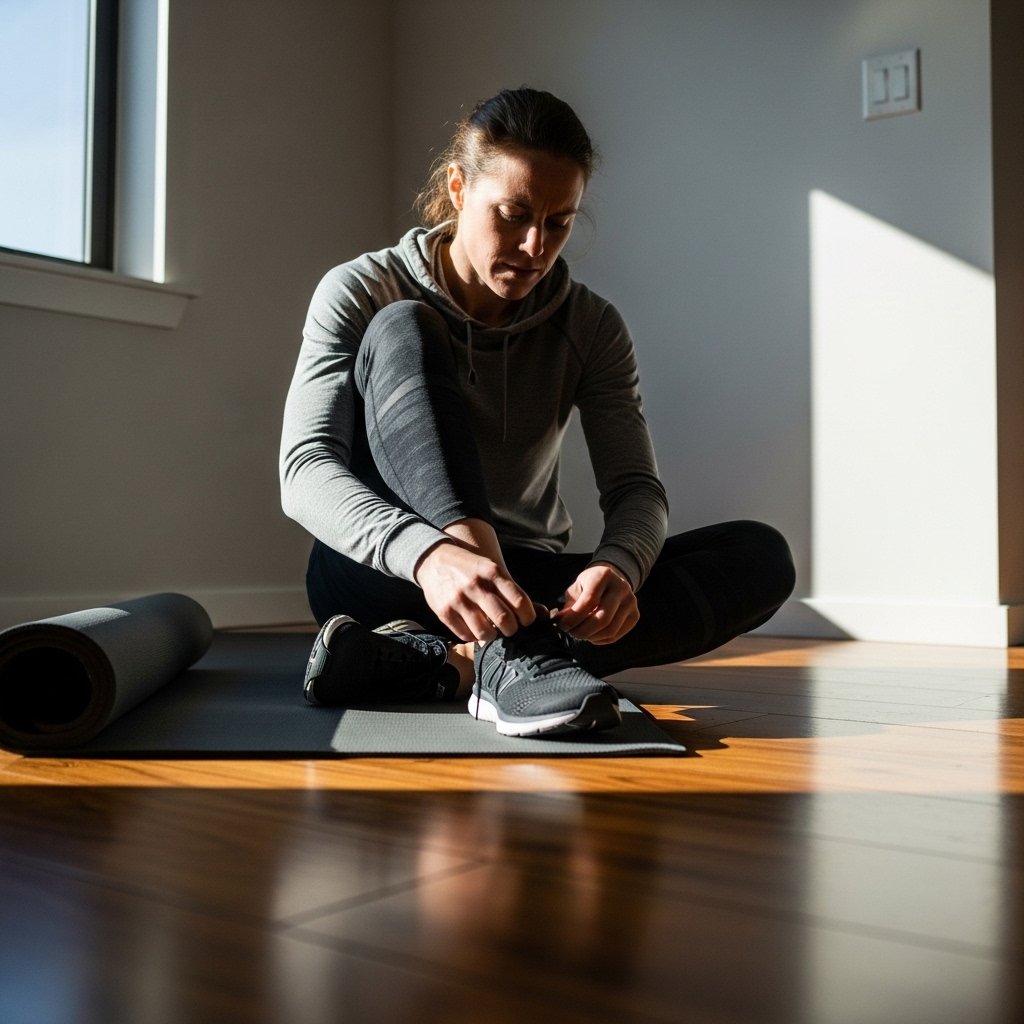
Professional athletes usually take time in training instead of having to hurry through the exercises. At home, an equivalent attitude would possibly only entail making time spent exercising to be something worthwhile. A brief meeting might be more meaningful with focus and consistency as the initial idea.
Creating A Dedicated Training Space
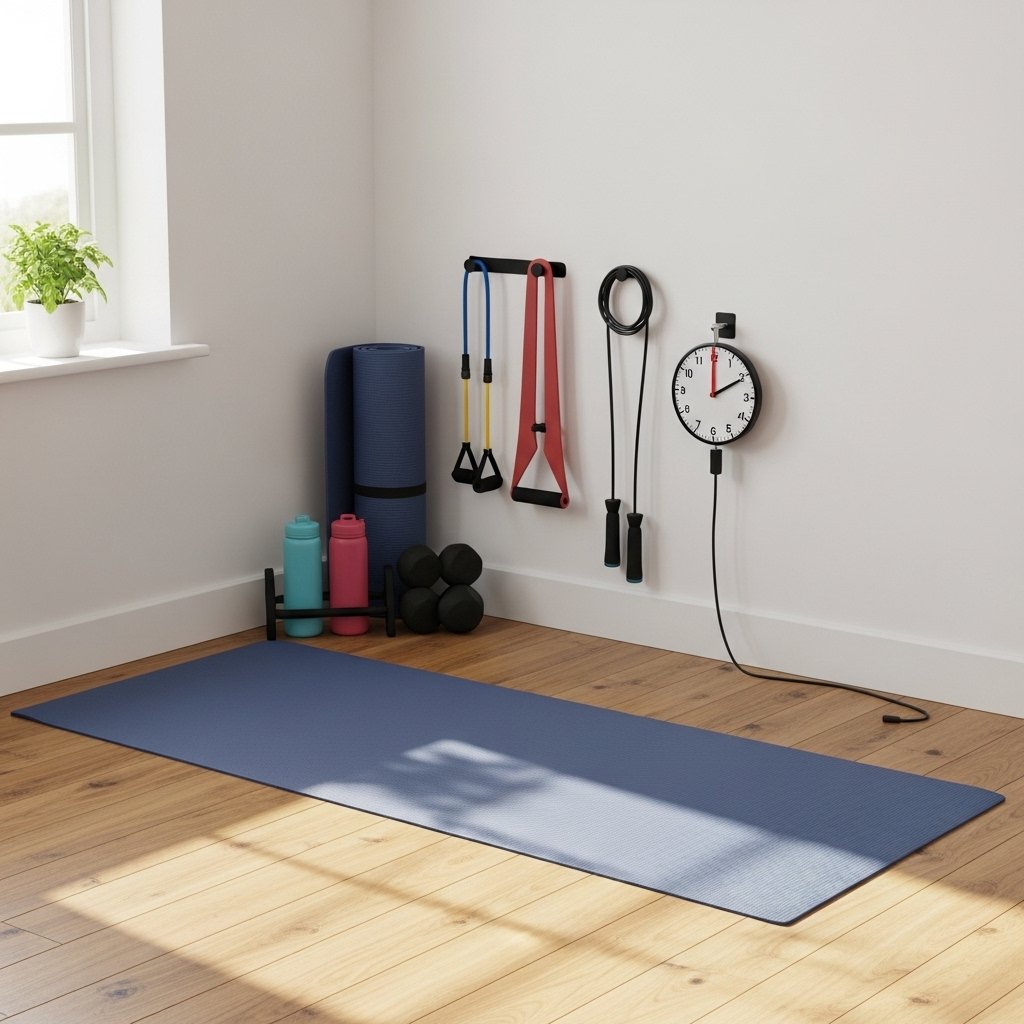
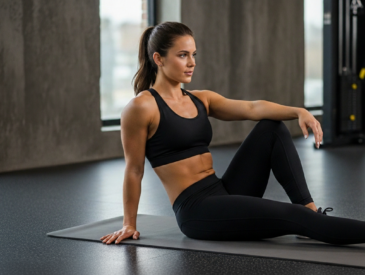
A professional atmosphere could make athletes disciplined. At home, the small space dedicated to workouts could provide the same impression. It does not need much space. With little room to move, a yoga mat and resistance bands can be sufficient.
Building Strength With Bodyweight Movements
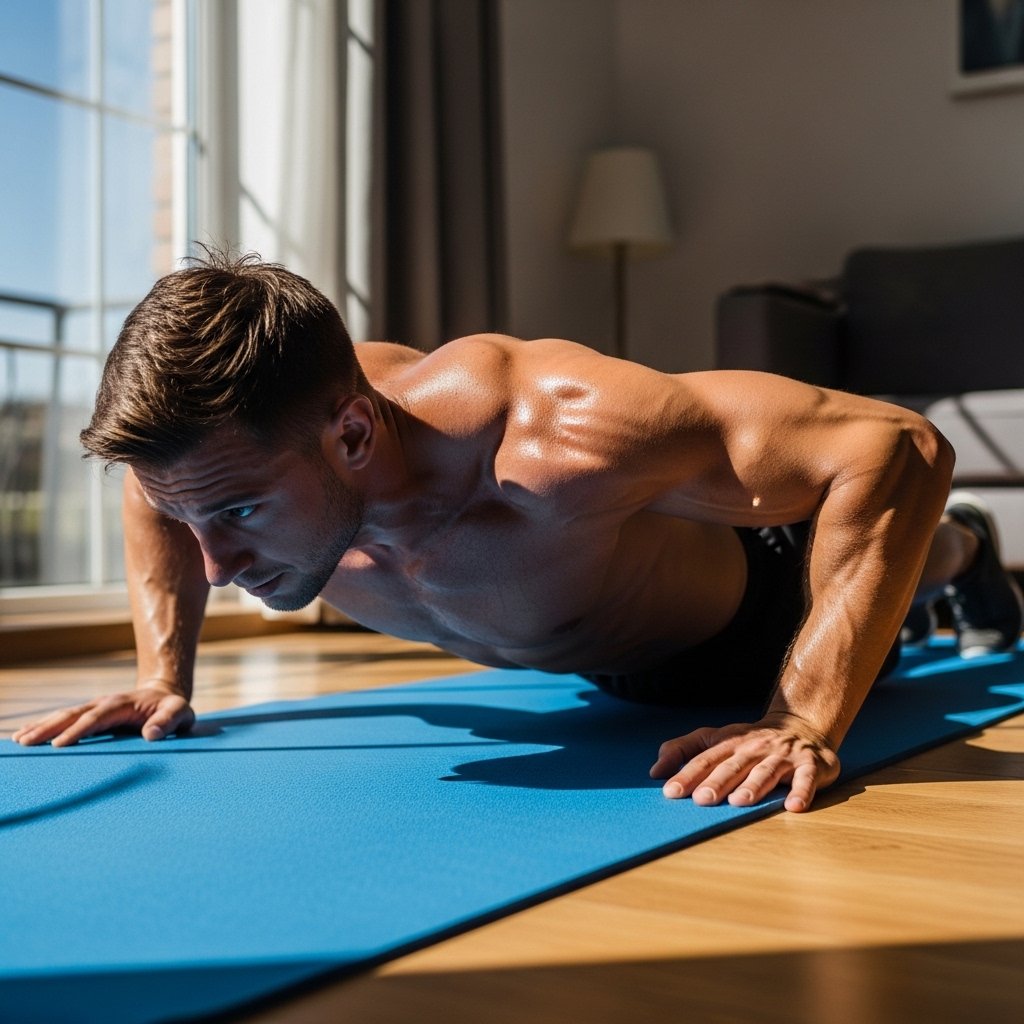
Strength exercises are usually part of professional training programs. Bodyweight movements could be used at home as a viable alternative. Some of the exercises that may challenge muscles with minimal or no equipment needed may include squats, push-ups, lunges, and planks.
Adding Movement Variety
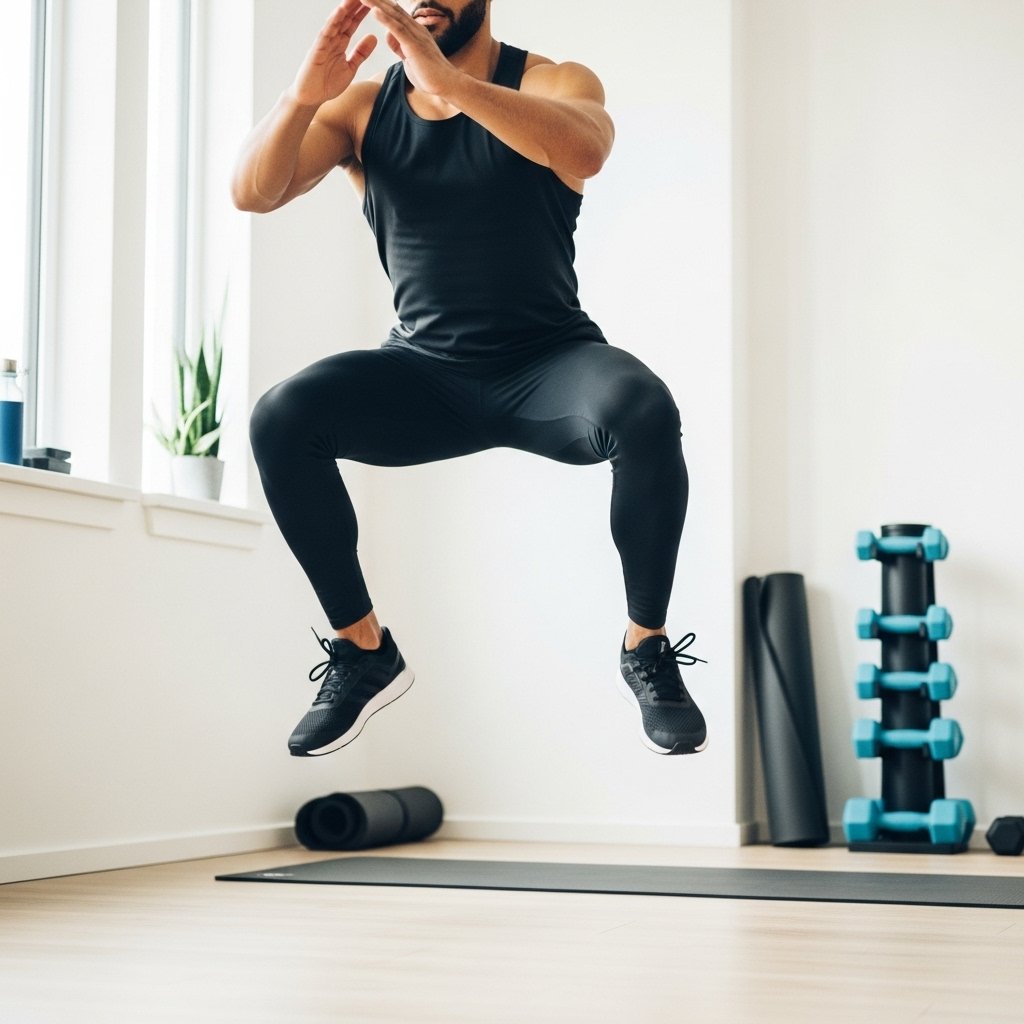
The way that athletes train various aspects of the body generally varies. Combining jumping exercises, strength training, and core exercises could be used to make home training interesting. Diversity may also aid the body in remaining active in the long run.
Practicing Agility And Coordination
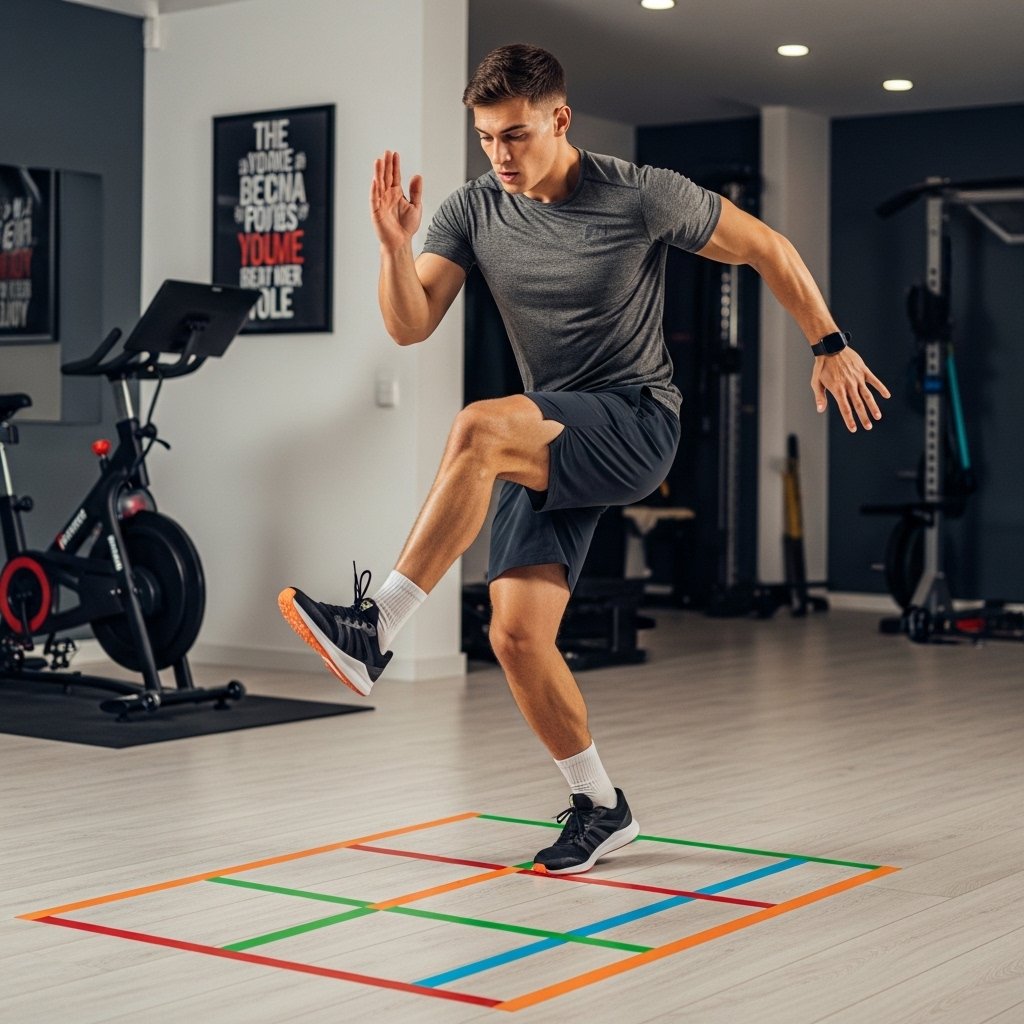
Sports are often associated with quick movement and coordination. At-home simple exercises could be agility work, which may involve side-stepping, quick patterns, or balance work. The little exercises will allow turning workouts more dynamic and playful.
Training The Core For Stability

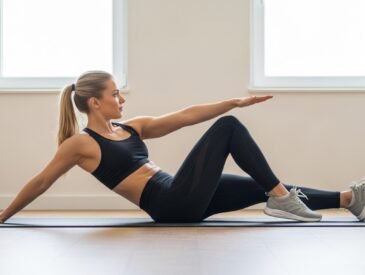
Core strength is something that is usually given focus in professional training. Back at home, some of the exercises, such as planks, leg raises, and controlled twists, could be utilized to create stability. An effective core might sustain other activities and might enhance the general level of movement control.
Using Short, Focused Training Sessions
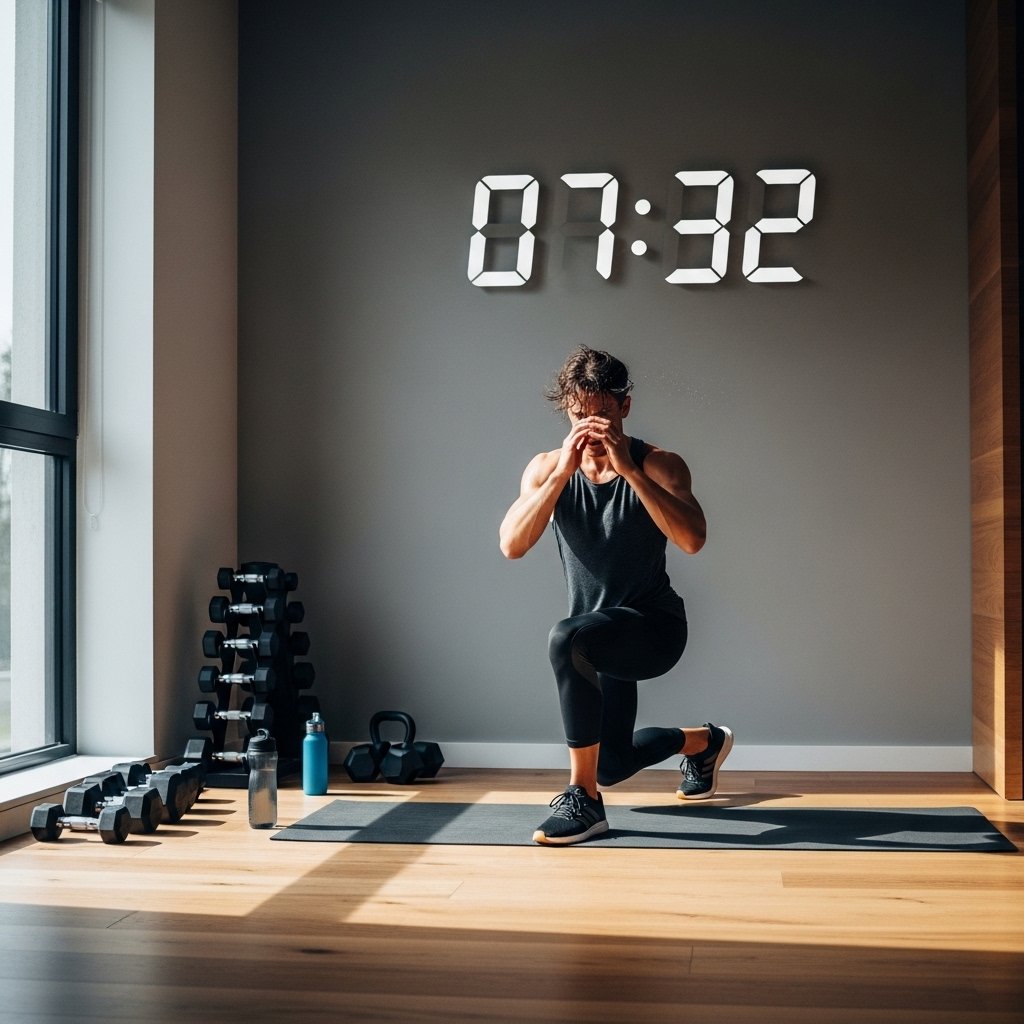
There is a high number of athletes who train using structured sessions that have definite goals. In the house, less rigorous workouts with a defined intention may be a bit easier to stick to. Sometimes a twenty- or thirty-minute routine would suffice to keep on the move.
Listening To The Body

During training, professional athletes tend to increase or decrease training based on their body condition. Homework, where attention to fatigue, soreness, or energy levels would possibly guide every workout. Sometimes, rest days would be as valuable as training days.
Incorporating Mobility And Stretching
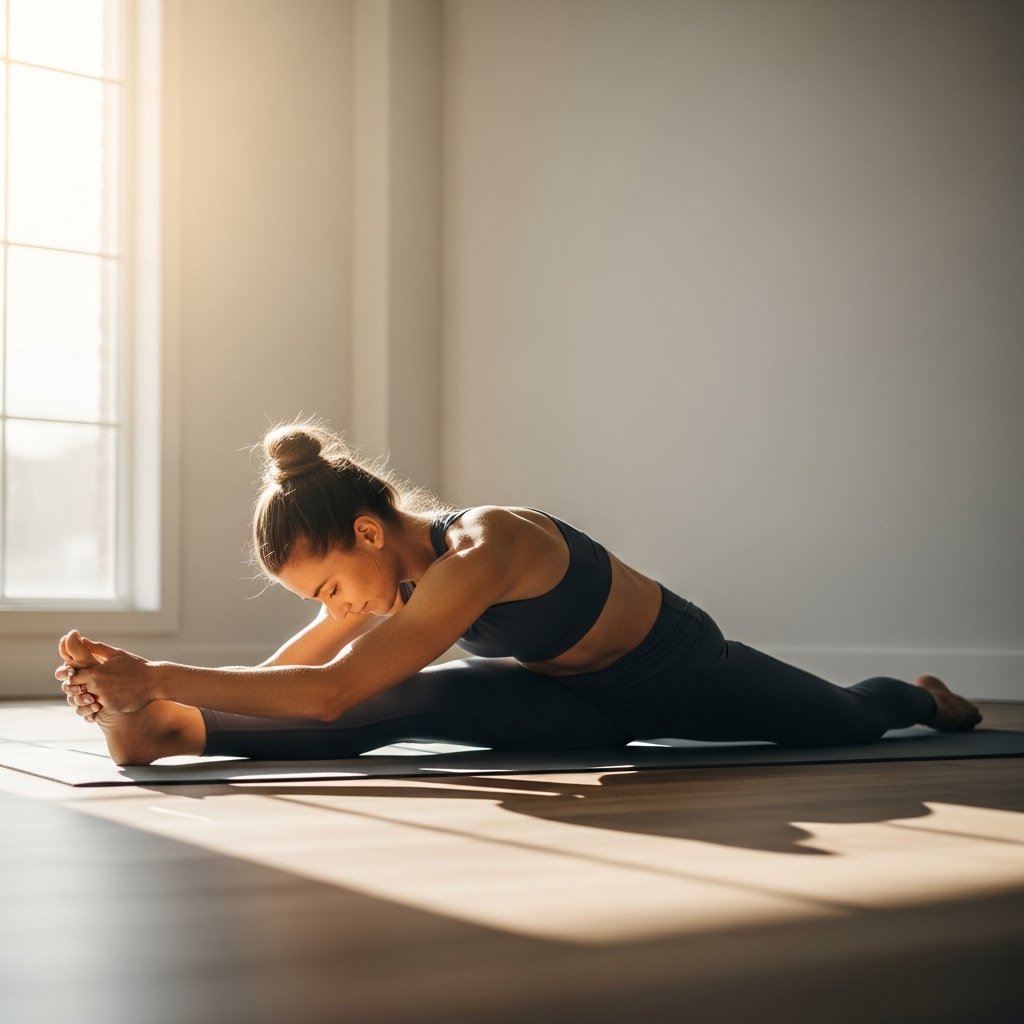
Middle range: Flexibility is a factor that can be very silent in the performance of an athlete. Light stretching or mobility may assist the muscles in remaining receptive and relaxed. The sessions can also be used to provide a relaxation point following a more vigorous exercise.
Setting Small Performance Goals
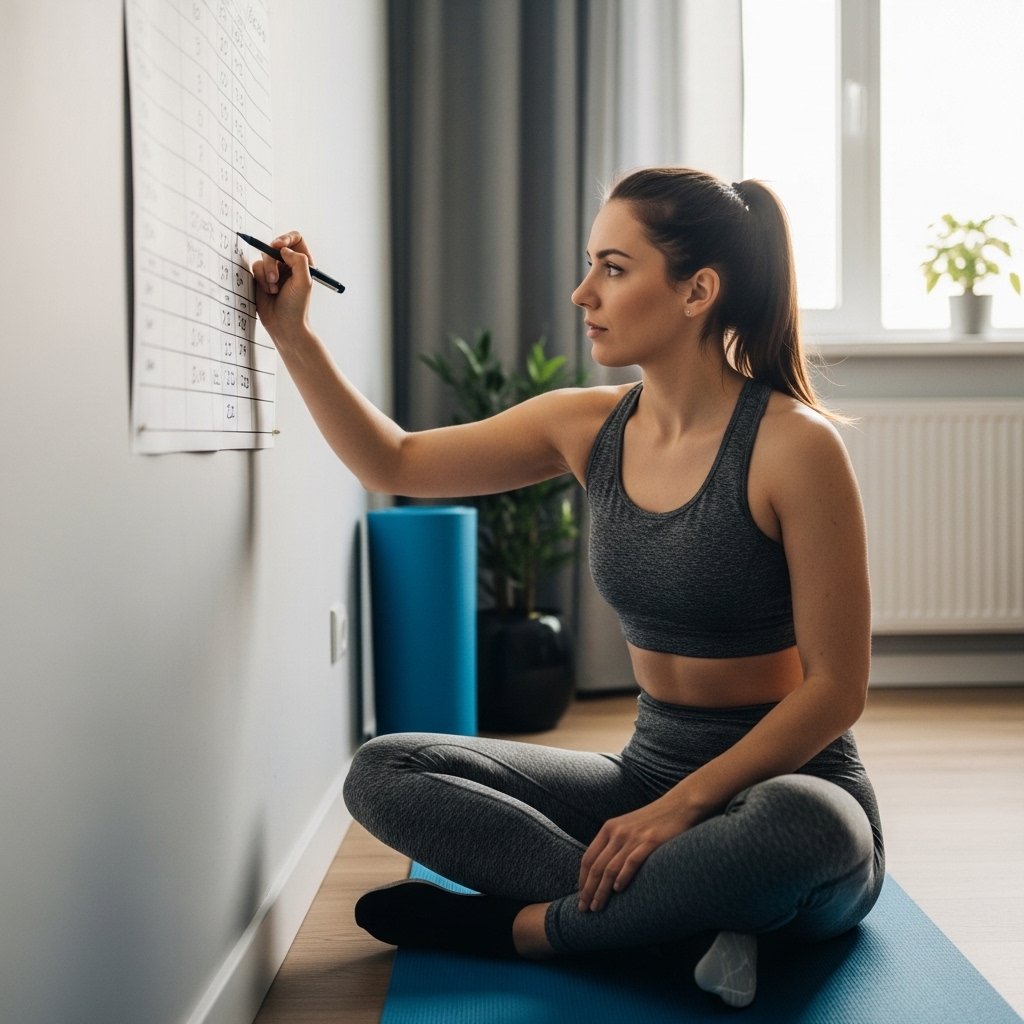
Sportsmen tend to monitor the progress, even minorly. Back home, small targets could be used to generate motivation. Repetitions should be increased, balance enhanced, and the time of holding a plank needs to be progressively increased, which may serve as encouraging benchmarks.
Keeping Training Enjoyable
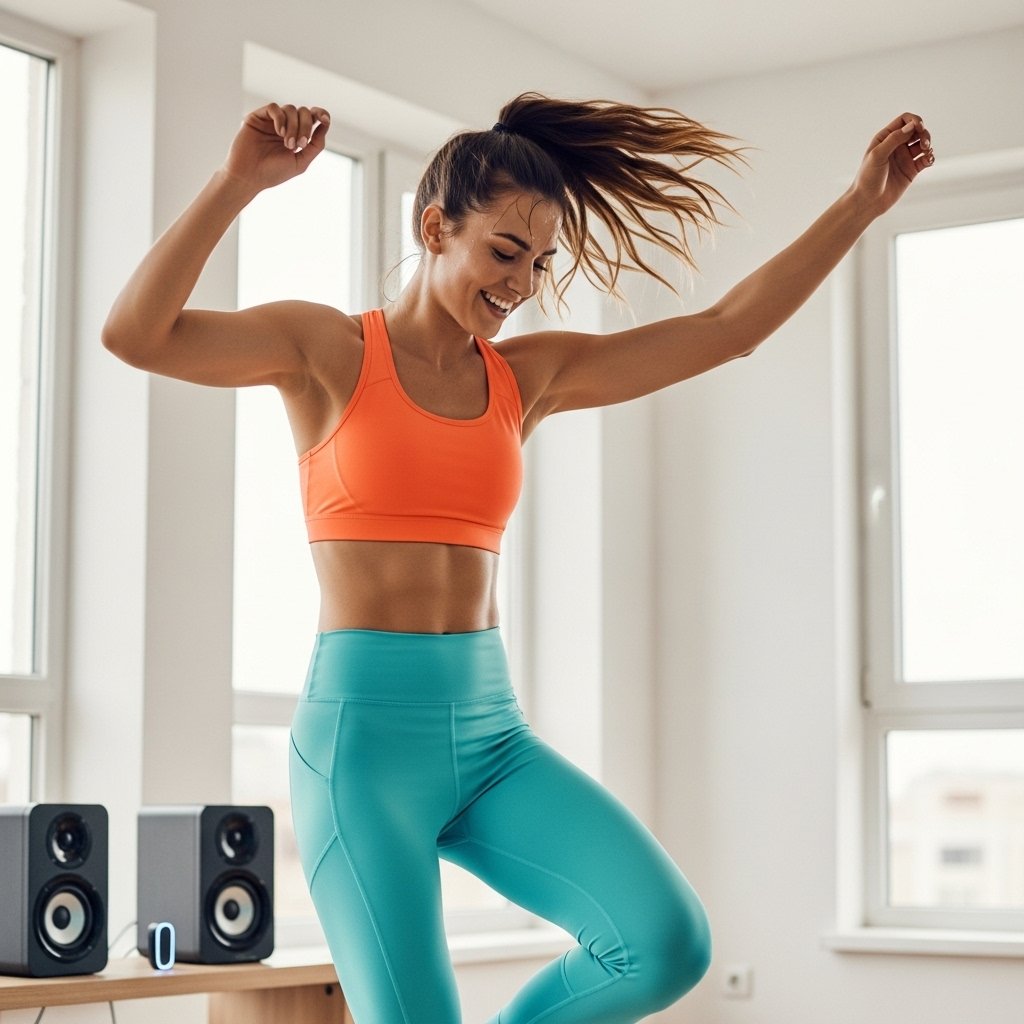
There are occasions when professional athletes can manage to make their training interesting. At home, the music, some new exercises, or even training outside may make the experience fresh. Long-term consistency may be subtly supported by pleasure.