 Avery Thompson
 Being fit may not need a gym card, expensive machines or hours of pumping on the treadmill. Numerous medical workers in the United States tend to recommend that merely having routine practices either at home or outside can sustain power and vitality. Life may be hectic, the budget may not be very loaded, and schedules may not necessarily match the fitness classes. There may be a possibility of creating a routine that would be in harmony with ordinary everyday life. Being active might stop being a burden or a task and become more like a way of life, which can be developed with time, some creativity and patience.
Walking with purpose
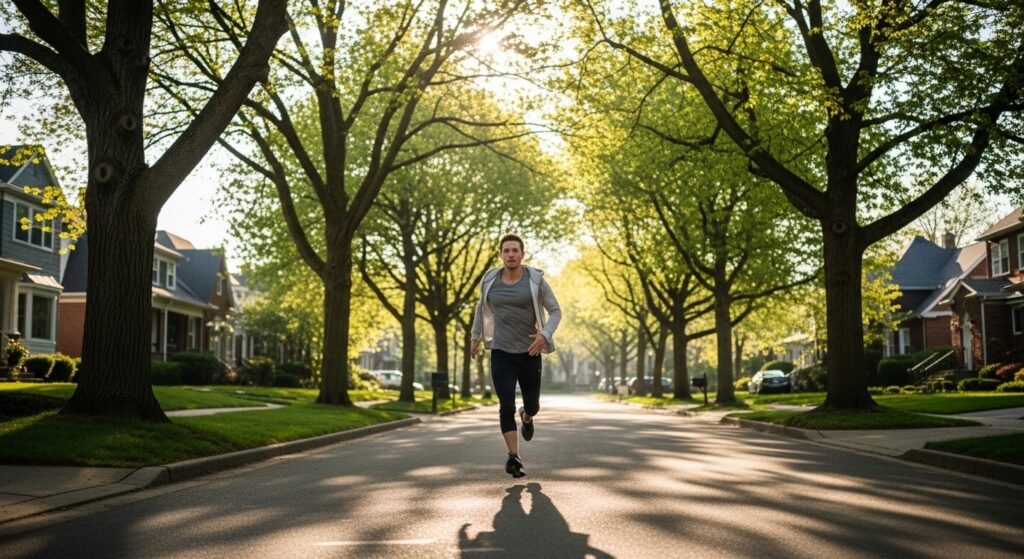
The specialists tend to state that one of the most accessible methods of being active may be brisk walking. Walking slowly around the neighborhood, in a park, or even inside a huge store would gradually increase the heart rate and enhance stamina in the long run.
Bodyweight exercises at home
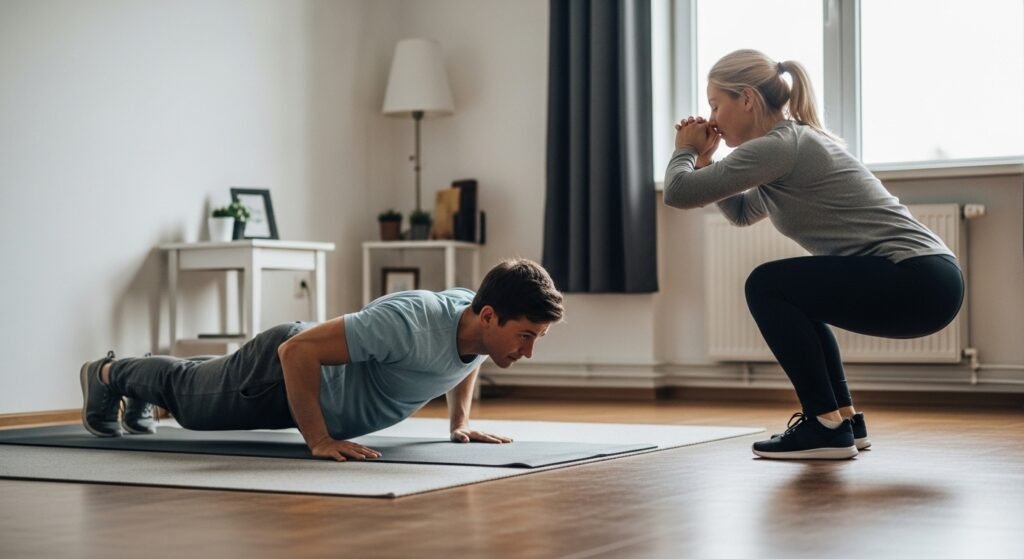
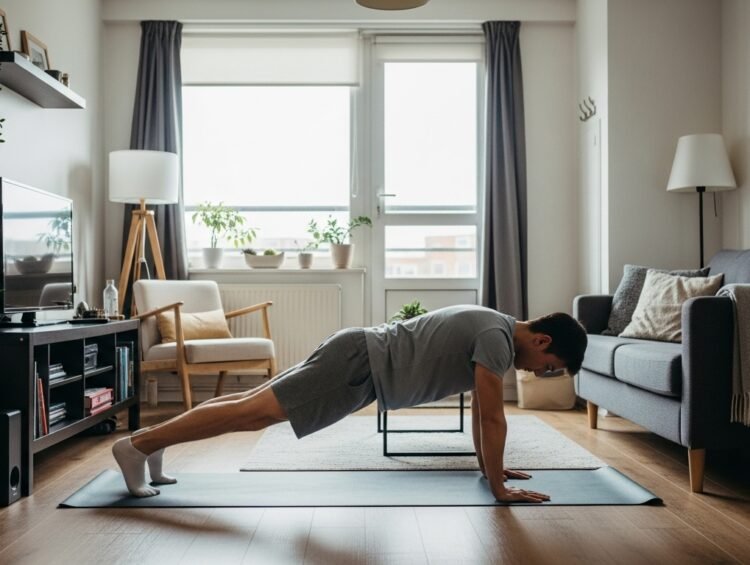
Push-ups, squats, lunges, and planks do not need any gear and do not need much space. Most trainers indicate that these simple exercises can ensure that muscle tone is maintained if they are done regularly. Repeating and slowing down the routine would help to make the routine feel new and approachable.
Short activity breaks during the day
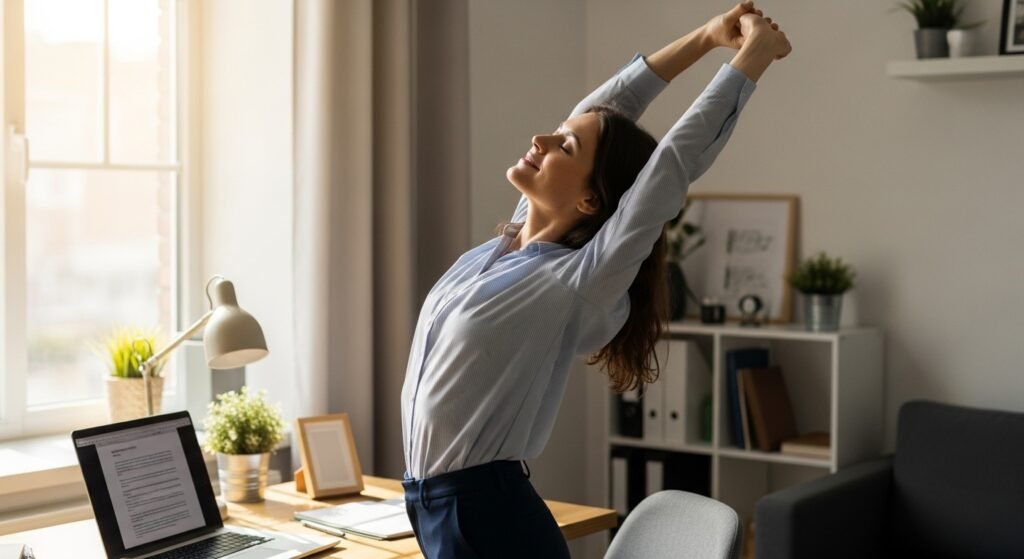
The body may be stiff because of spending long hours sitting. Other professionals think that it may help the circulation system and flexibility by standing up every hour to do some light stretching or even briefly perform a series of exercises without interfering with the daily duties.
Using stairs whenever possible
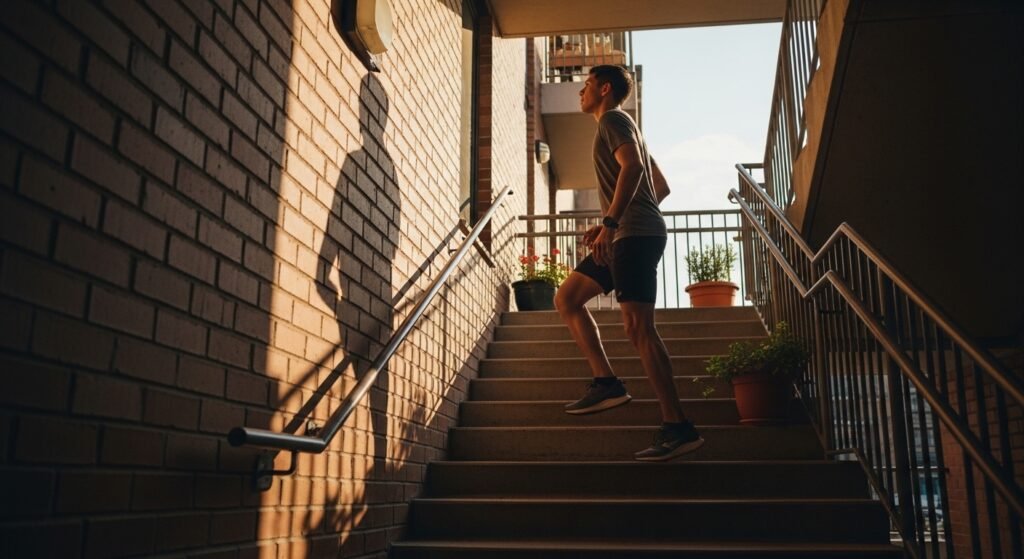
Using stairs instead of lifts may not appear much, but it could provide an easy means of pushing the legs and lungs. Lower-body strength can be gradually developed at a comfortable pace by climbing, but without creating any inconvenience in everyday life.
Following guided home workouts
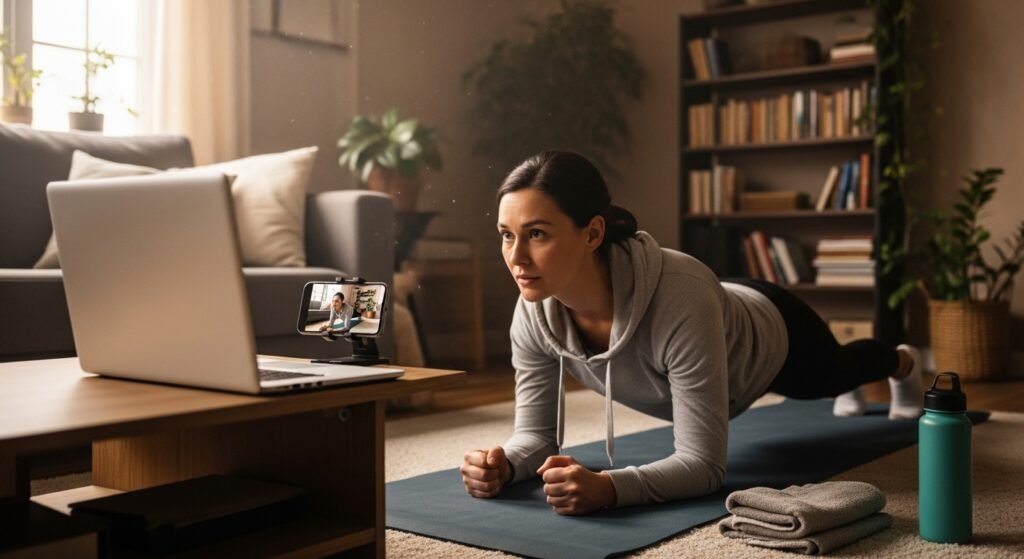
In general guidance, many professionals sometimes refer to programs like the American Council on Exercise. Videos online and mobile applications may provide some form of structure, making the person remain consistent even without going to a gym.
Creating a small home fitness corner
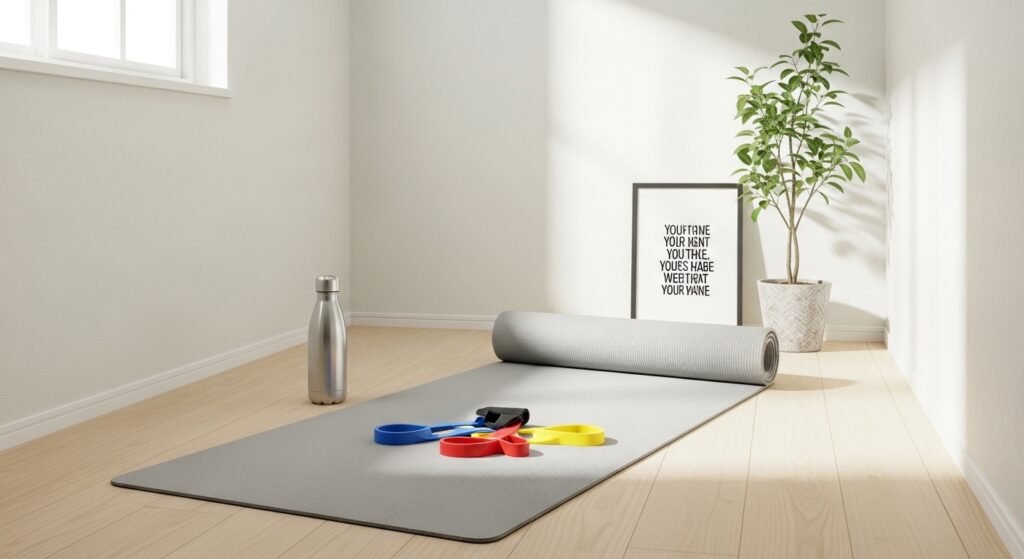
It may be good to have a small space with a mat or resistance bands where one would move regularly. Workouts may seem more purposeful and may be easier to begin, having a specific place, even in a small apartment.
Playing recreational sports
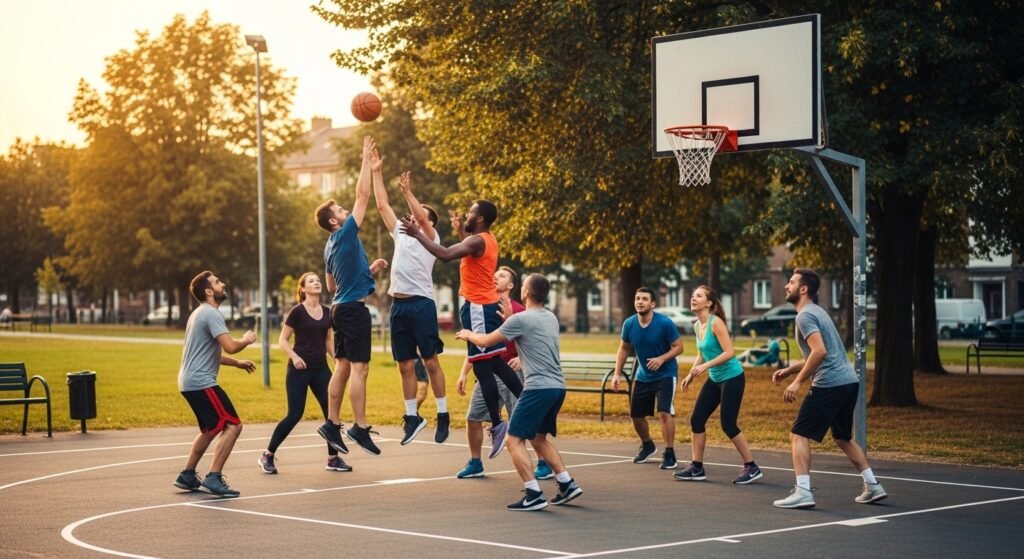
Fun can be combined with fitness in the form of casual games in the local parks or community centers. Playing basketball, playing football, or taking part in a group activity once a weekend may provide some form of socialization and exercise the body in the process.
Tracking progress casually

Other professionals can posit that maintaining a simple record of the actions taken, time spent, or activities done may heighten awareness. Tracking does not have to be rigid; it may be just a reminder of gradual effort in the long run.
Listening to the body
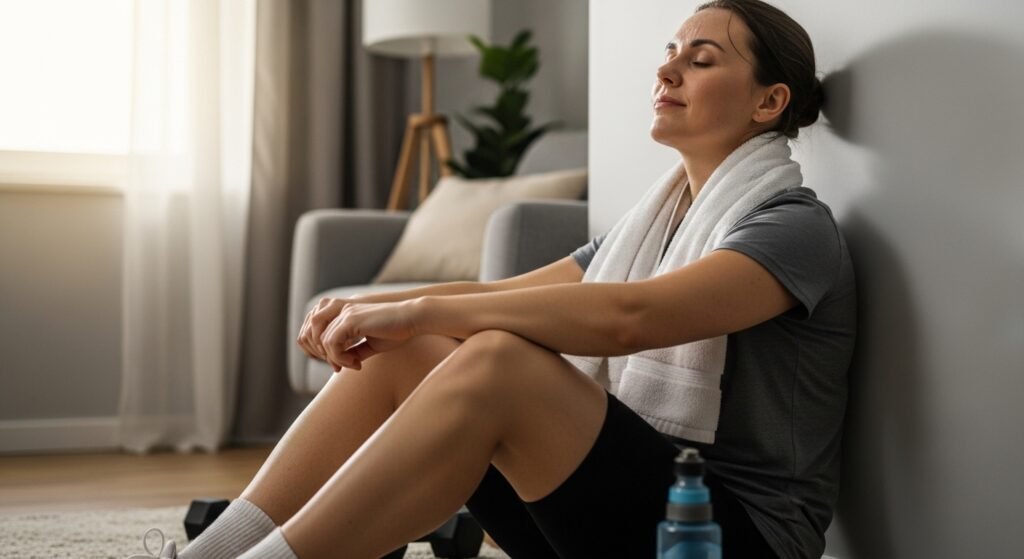
Strain could be avoided by being sensitive to energy levels and discomfort. That rest days and lighter sessions may be as significant as the active ones, and the body may get to rest and adapt naturally.
Making movement enjoyable
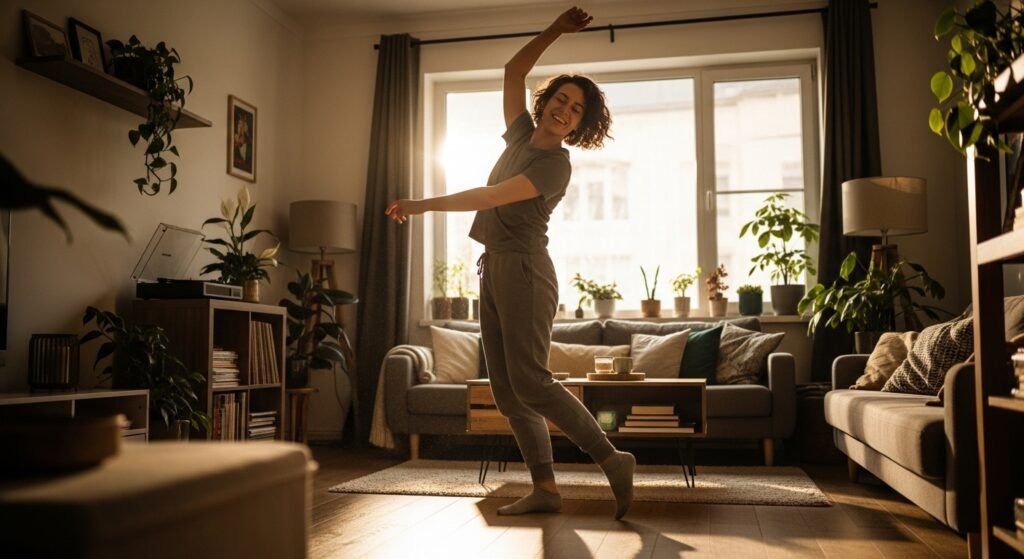
Exercise may be more enjoyable; thus, it may be easy to continue. Dancing in the living room, making the stretches when a show is broadcast, and walking with music might make movement something that will become rewarding instead of something that feels forced.