 Sofia Martin
 Strength doesn’t come from expensive gear or a membership. A solid routine takes shape when movements are planned, not guessed. Bodyweight carries enough challenge to build real fitness. Structure matters – not just exercise after exercise. Choose lifts that target multiple parts at once. Results follow if effort follows a pattern.
Define Your Goal

Begin by choosing where you intend to go. When aiming to lose fat, move through intense exercises in quick bursts, resting just enough. For building power, do each rep deliberately, taking more time between them. When building stamina, stretch the full session longer while cutting down on the pause between sets. What you aim to do guides how it’s laid out.
Choose Core Movement Patterns
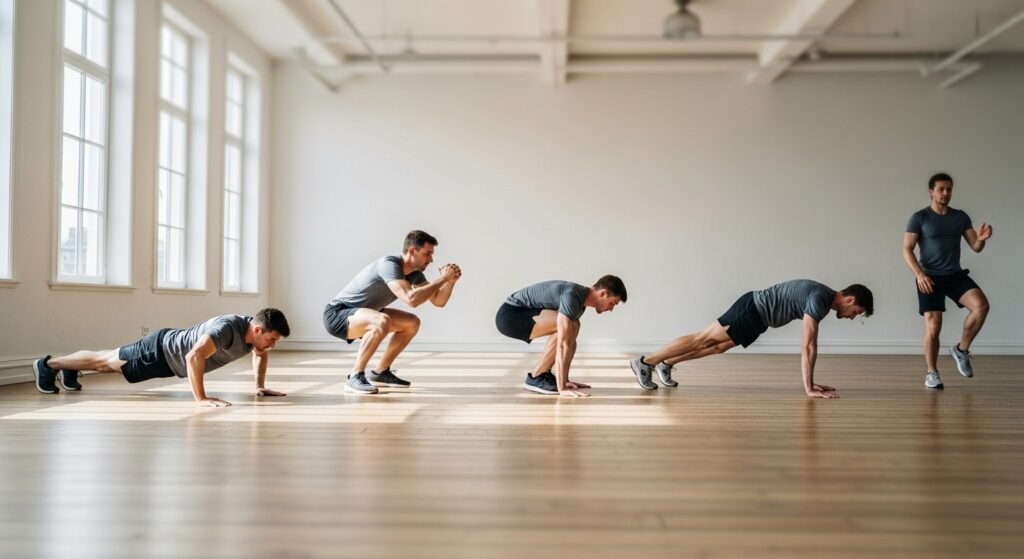
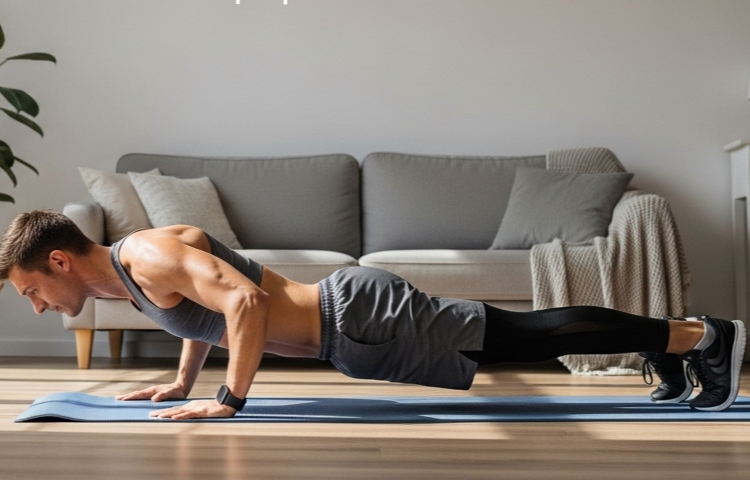
Start by fitting key movements into your day. Push movements work well with push-ups, swapping to reverse snow angels when needed – door rows help if space allows. Squats take center stage through basic bodyweight versions, building from there. Bridges open the hip hinge series, setting aside room for control. Core effort lands on planks, not just for stability but routine balance. Jumping jacks or high knees add movement speed without rushing changes.
Build a Simple Structure
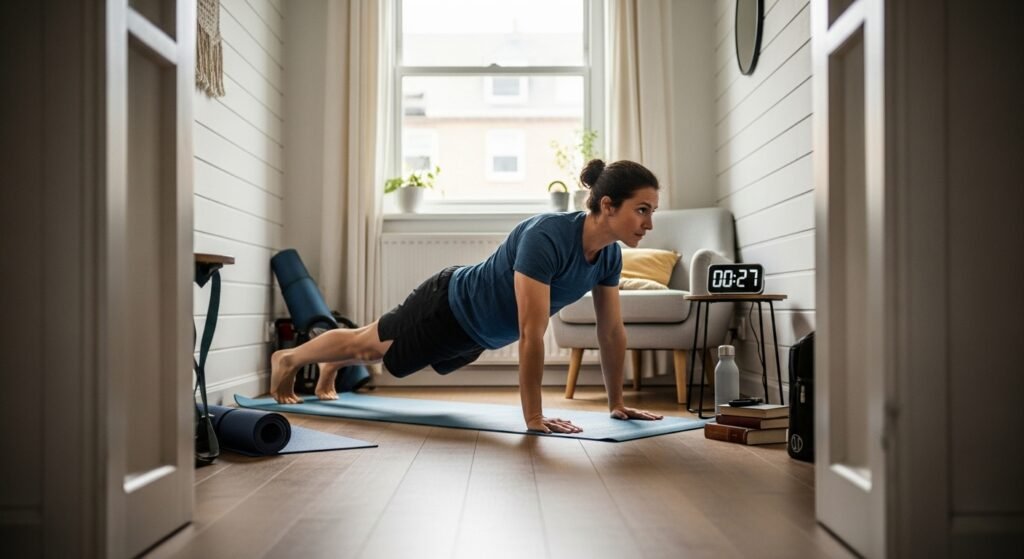
Beginners begin with three complete workouts each week. Pick five to six moves, flow through them in loops. Spend 30 to 45 seconds on every step, pause a moment between, then circle back three full rounds. When you get better, add more time, repetitions, or cycles.
Focus on Progressive Overload
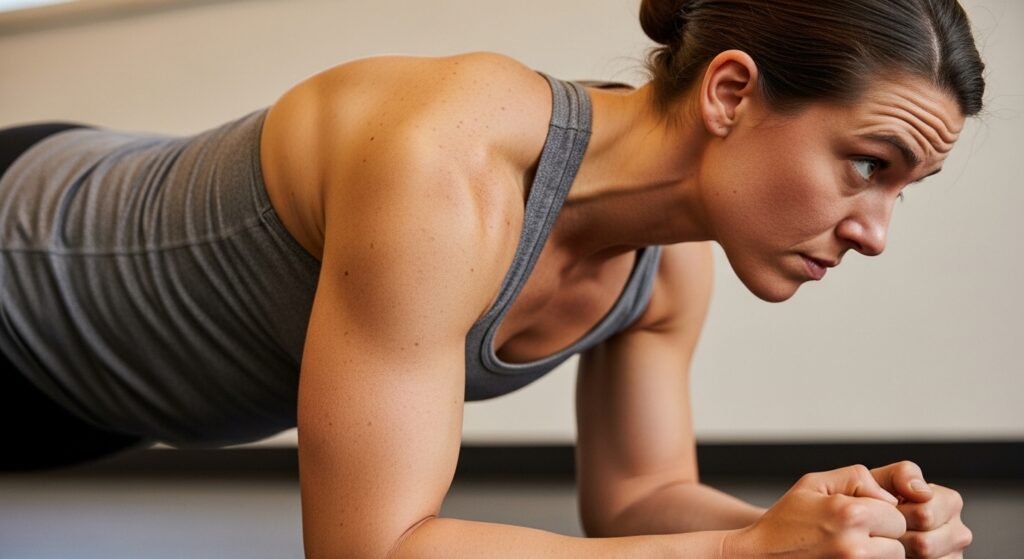
Progress happens when effort meets steady progress. Try doing one more repetition than before, letting each move stretch into slow motion, cutting brief pauses between sets, or slipping extra iterations at the finish. Lift nothing at all? Shift how you hold positions, slip in brief stops mid-motion – these tweaks pull work up without extra weight.
Do Not Skip Warm Up and Cool Down
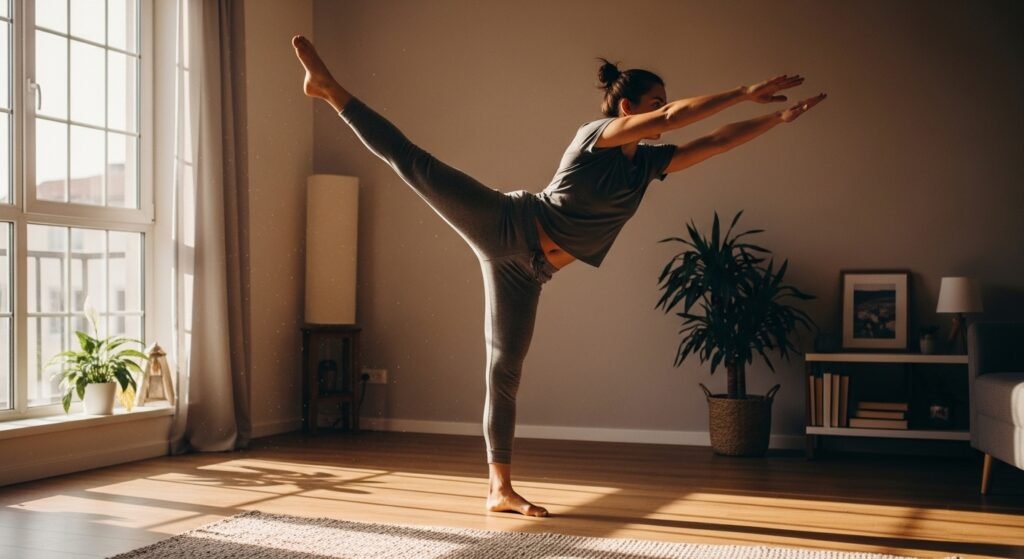
Start every session with just five minutes of low-intensity movement – get blood flowing, warm up those joints. Once you finish exercising, take a moment to stretch the biggest muscle areas. This helps the body unwind while boosting the range of motion.
Track Your Progress

Write down what you did, how long it took, and your state of mind once finished per session. This method makes following through easier while revealing subtle upgrades week after week. Progress builds fast simply because tiny efforts pile up without needing big leaps.
Stay Consistent and Realistic
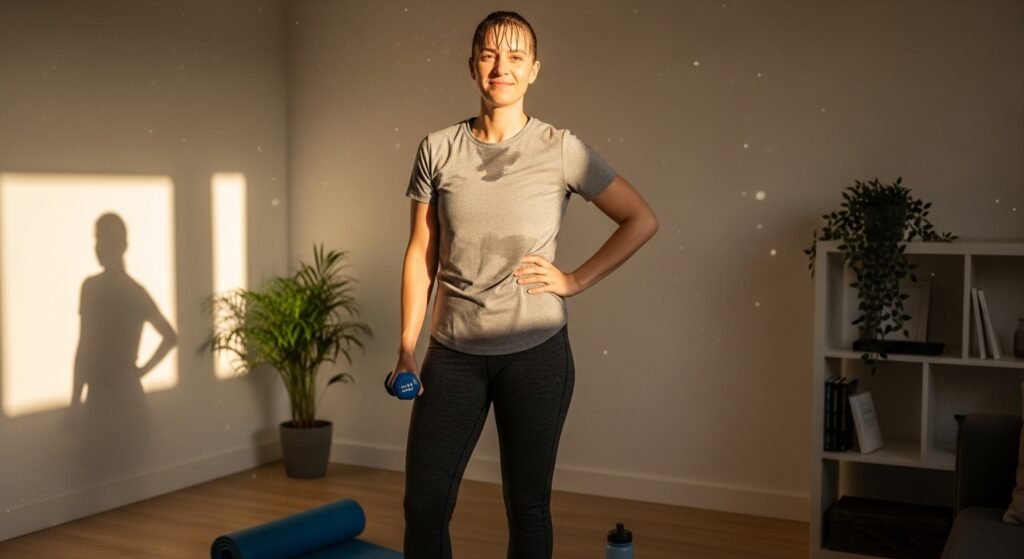
Sessions don’t always need to stretch for hours. Focused work in as little as 20 or 30 minutes, repeated three to five times weekly, might still lead to clear progress. What counts most isn’t how hard you push, but showing up reliably.