 Avery Thompson
 Over the decades the fitness culture has been characterized by intense workouts. Sweaty boot camps, long runs, and high-energy classes are the ones that tend to be featured. However, on recent occasions, it appears that there is something quieter that is catching up in the country. Even more Americans are seemingly heading the way towards Pilates, a low-intensity exercise that emphasizes controlled movements, deep breathing and inner strength. It might not appear as impressive as other routines, but most people claim they feel stronger, more in balance, and even challenged after doing it. Although our bodies react differently, Pilates may be a growing trend as an exercise that people may resort to when they want to see results without working too hard.
A gentle approach that still feels challenging
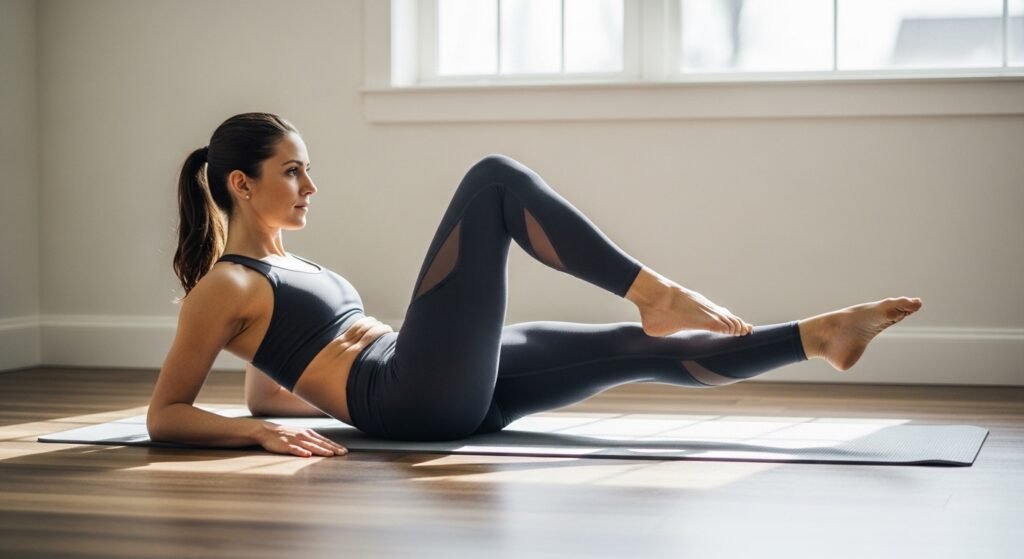
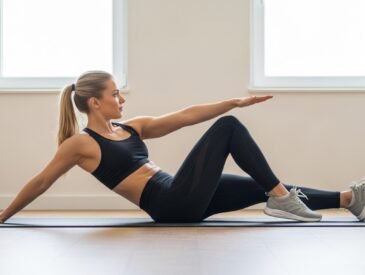
Pilates does not seem to move fast at all, though the small and deliberate movements can be intense on their own. People enjoy that working deep muscles brings about a continuous burn without the banging of jumping or running.
Focus on core strength
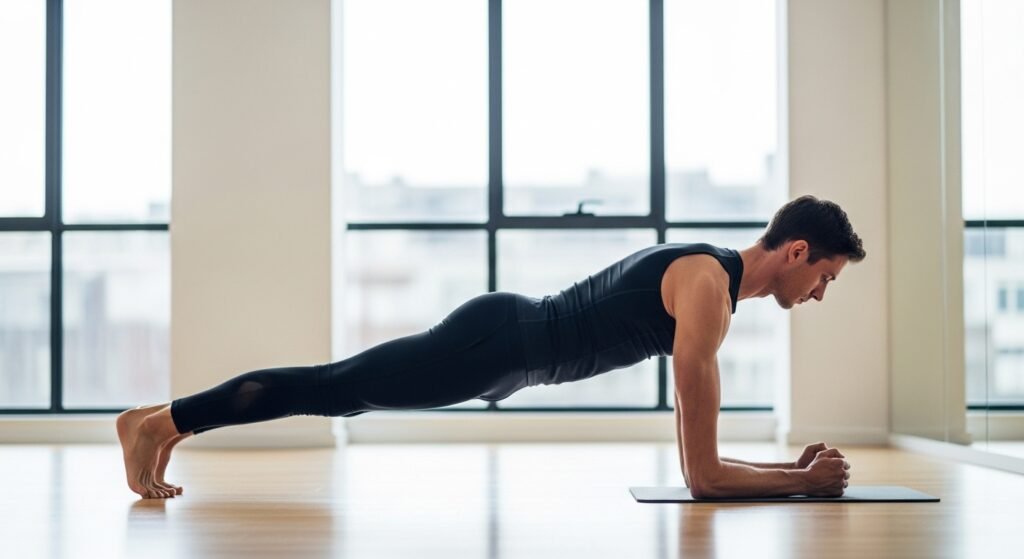
The core is involved in practically all movements that a body takes. Pilates lays consistent emphasis on this region, and some of the individuals who take it up report that they start noticing an improved posture and balance as time goes by.
Suitable for many fitness levels
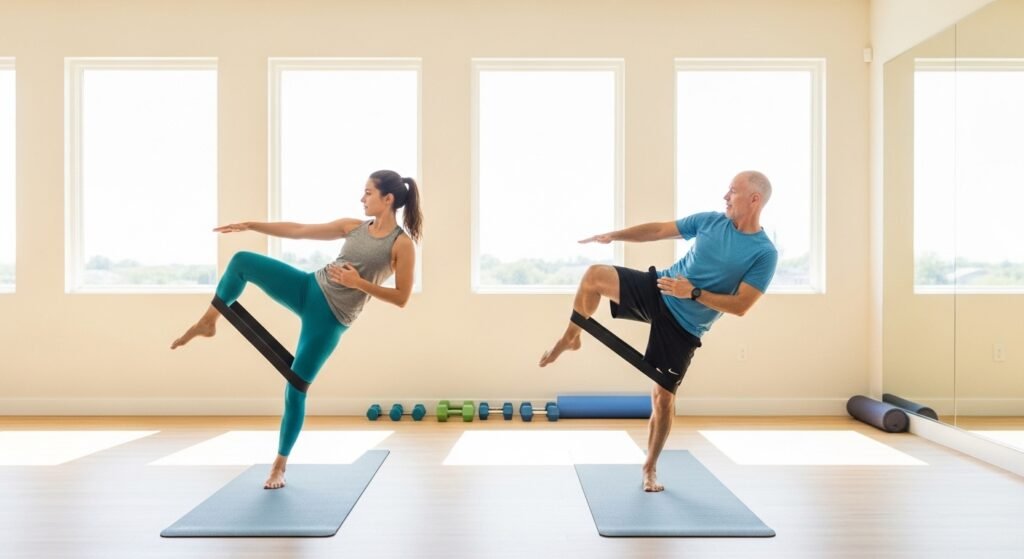
The flexibility of Pilates is a possible reason why the new practice may be gaining popularity. It makes movements sometimes more accessible to beginners or more experienced and does not make it easier.
A mind and body connection
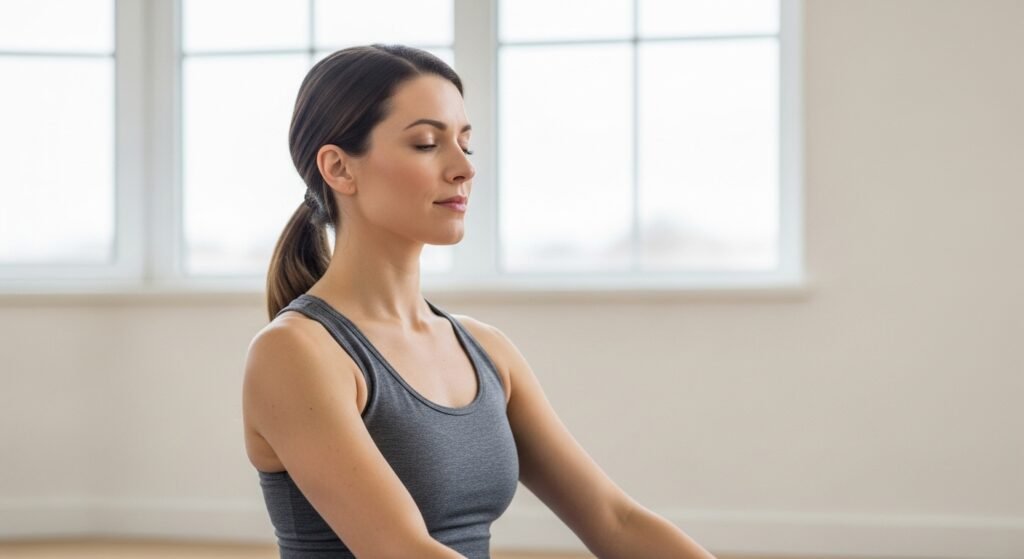
Patterns of breathing are included in each session. This emphasis can assist individuals in being present throughout their exercise, and this can make the process less hurried and more deliberate.
Visible muscle tone
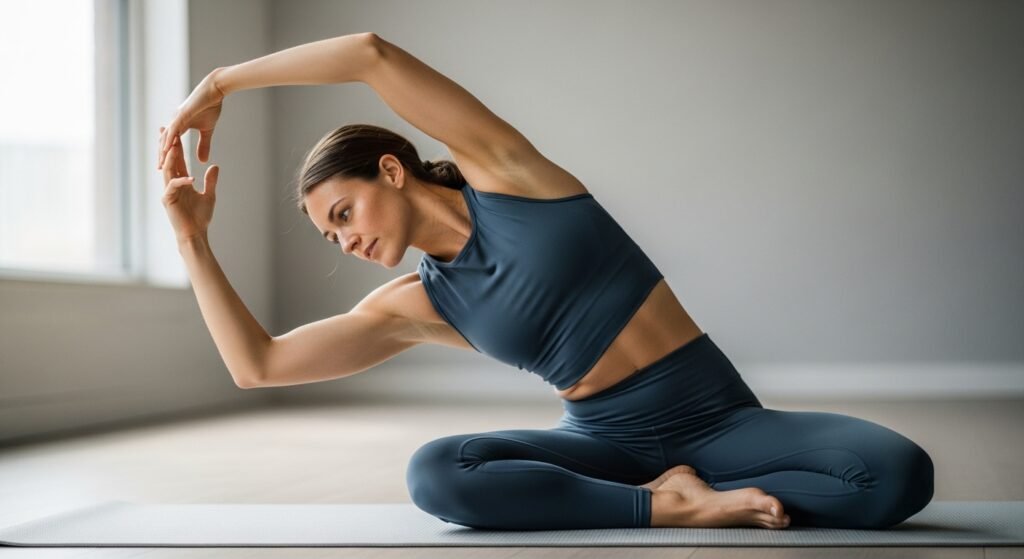
Whereas there have been mixed results, there are those who testify that Pilates makes them feel toned. The gentle, gradual movements may bring into action those muscles that are occasionally not exercised by the other exercises.
Support for better posture
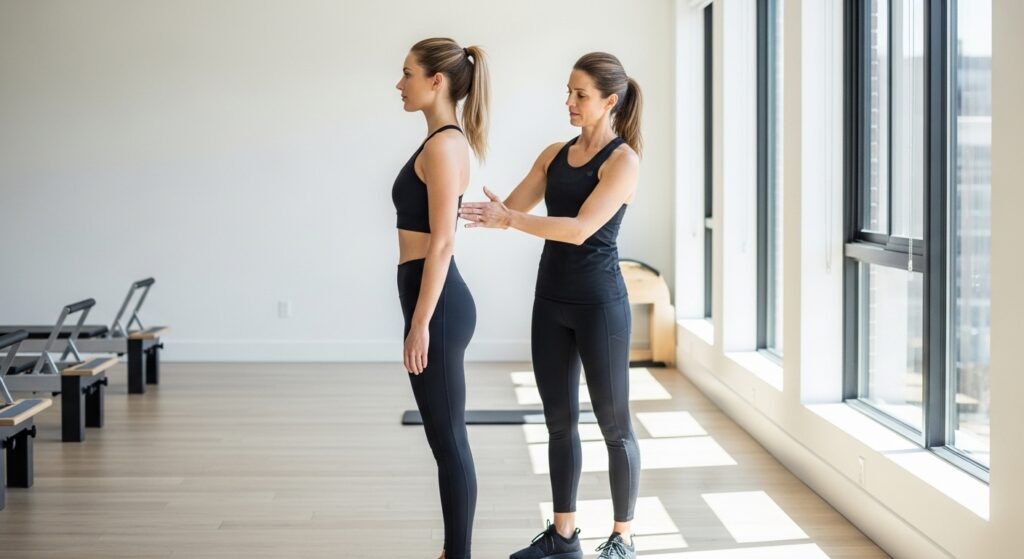
Having so many hours sitting down, posture may be poor. Pilates focuses on body awareness and alignment, and this could slowly promote standing and sitting in a supportive and balanced position.
At-home and studio options
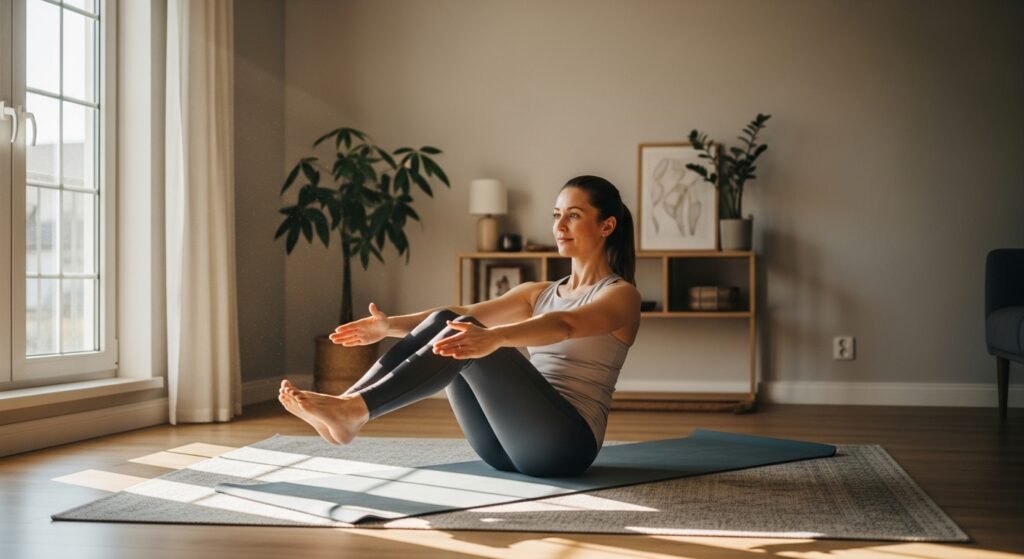
Pilates appears to be ubiquitous through online classes and studio classes with teachers. Such flexibility may facilitate easier consistency for people who either prefer to exercise at home or in a group.
Controlled movements over fast reps
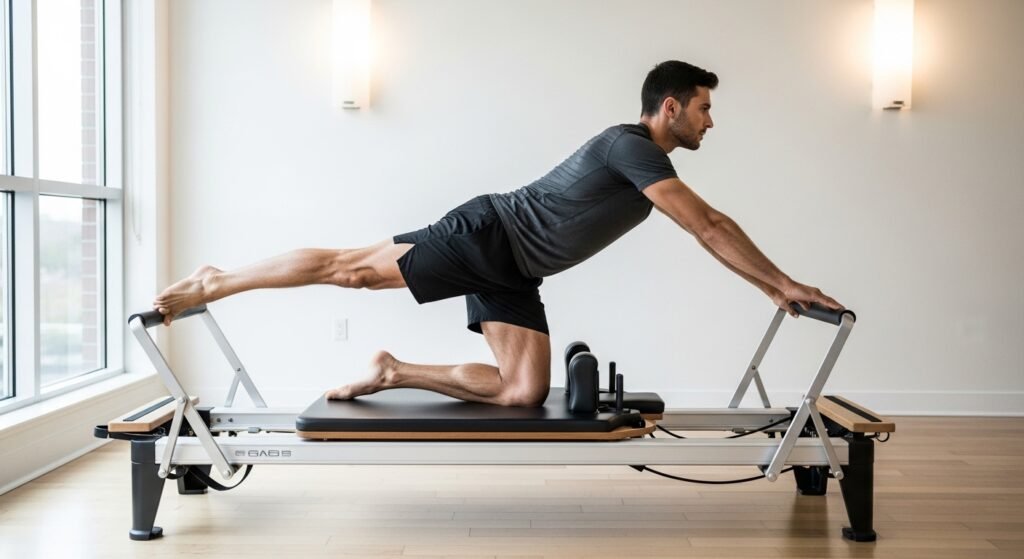
Rather than the focus on repetition, Pilates emphasizes accuracy. Reducing the speed may assist others to focus on form, which may help them minimize the chances of careless movement patterns.
A break from high-intensity trends
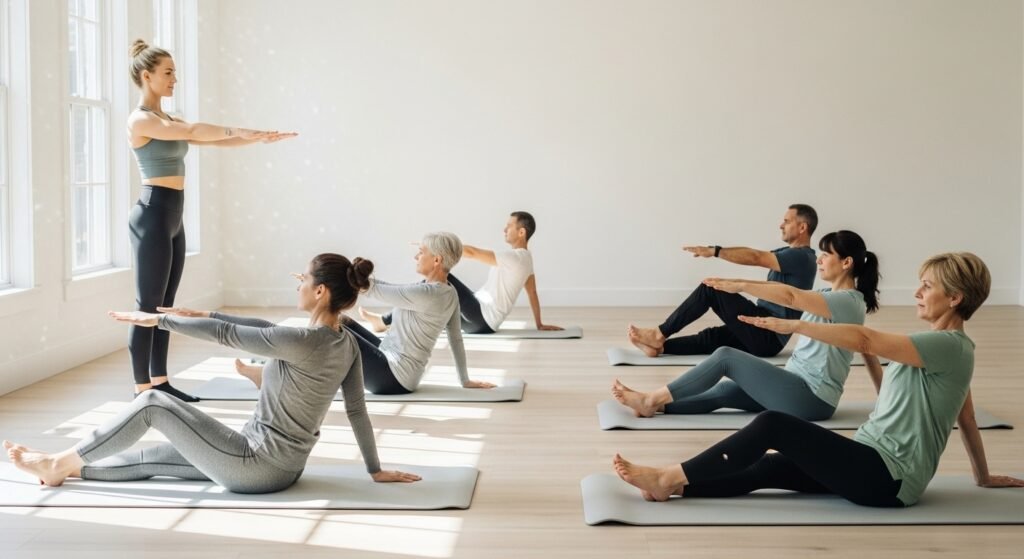
Having experienced years of fitness frenzies, there are those who might just desire a more relaxed touch. Pilates is organized and not accompanied by loud music or jumping around all the time, which is a relief.
Equipment that adds variety
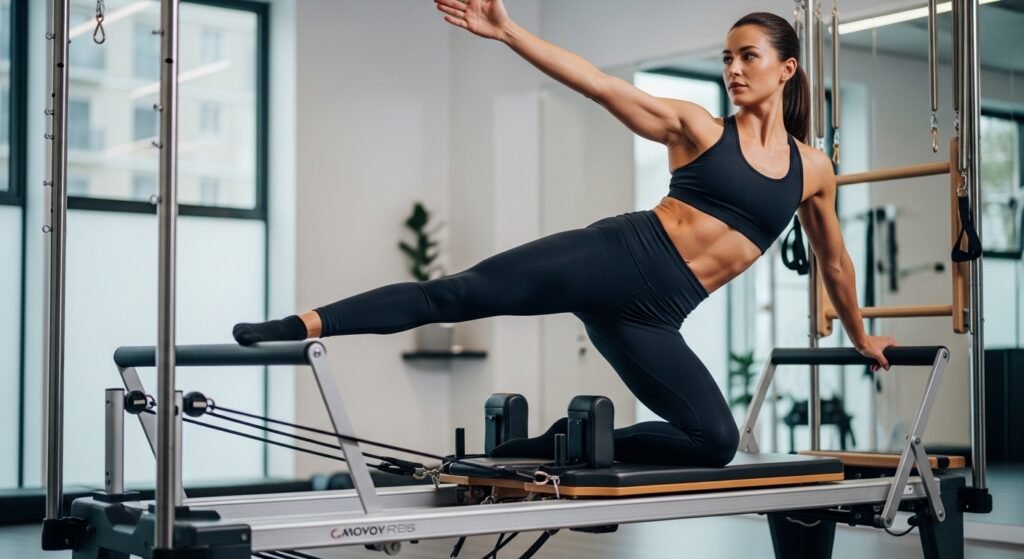
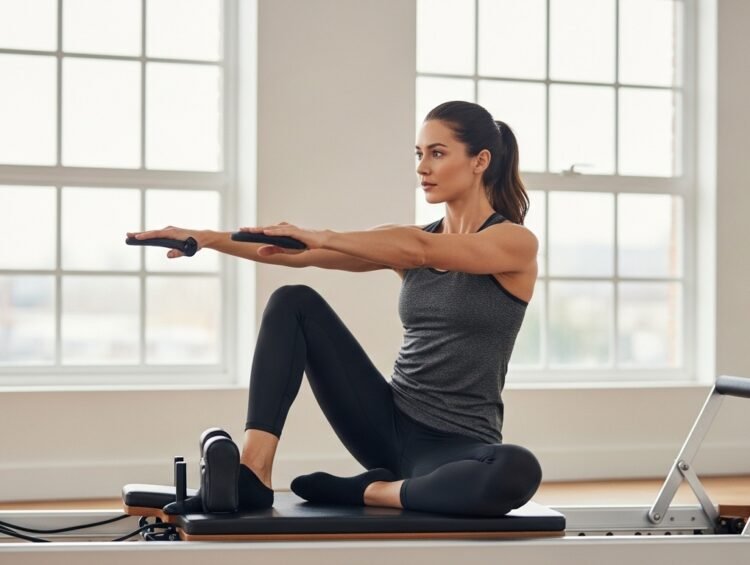
The workout is sometimes made deeper using reformers and resistance tools. This equipment may produce another form of resistance that is not oppressive but supportive.
A workout that promotes consistency
The most difficult part is to remain in any routine. Since Pilates is not as high-impact as most, some individuals would find it easier to resume regaining it on a regular basis, and regularity frequently contributes significantly to the long-term changes.