 David Latin
 When entering the thirties, minor transformations that most people do not anticipate are inevitable. The engagements and obligations of a job and the hectic pace can gradually creep in, and the body might not recover as swiftly as it used to. An intense exercise may be heavier than on the day of the exercise, a late night may be lingering, and even minor pains may make themselves felt. All this does not necessarily imply that something is wrong. It can just be the body demanding some more attention and care. The recovery habits gain greater significance during the stage of life. It could be possible to make sure that it becomes more comfortable to feel good and active and to enjoy daily routines without experiencing exhaustion all the time, with a few mindful modifications.
Prioritizing Consistent Sleep

After thirty, sleep could be one of the most valuable recovery aids. A regular sleep pattern may assist the body in resting and being operational again. Most people feel more attentive, not so sore, and generally high on the ensuing day when they sleep more regularly.
Giving Muscles Time To Rest

Rest is usually beneficial when the body is given enough time between strenuous work. Rest days can enable the muscles to recover on a slow basis. Rather than working hard despite exhaustion, taking a day off may occasionally be a good way of sustaining long-term strength and motivation.
Adding Gentle Stretching To Daily Routines

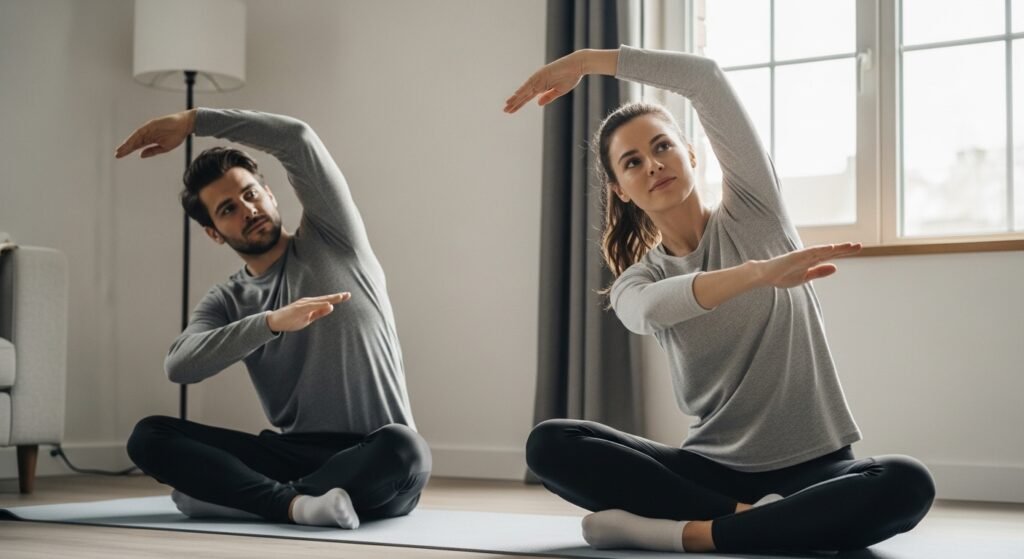
Stretching may appear to be quite an easy thing, but it could make a perceivable change in some cases. Light exercise may also serve to relieve stiffness, particularly following exhaustive workdays or exercise. Flexibility can be aided with day-to-day stretching, which can help to ease the daily movements.
Selecting Healthy Meals

Food can affect the rate at which the body is ready to face the next challenge. Food containing a combination of nutrients may help recovery in hidden ways. It is found that regular eating habits keep energy levels healthy and eliminate the midday lull.
Moving The Body Even On Rest Days

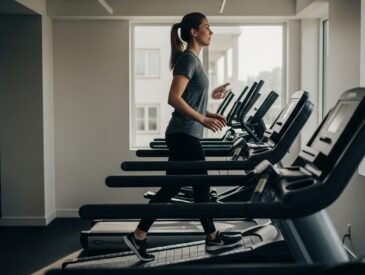
To be recovered does not necessarily mean to be motionless. Light exercises like walking or other mild forms of mobility could make the body feel loose. Others even discover that light exercise makes them feel less aching than complete rest.
Warm Up Before Working Out
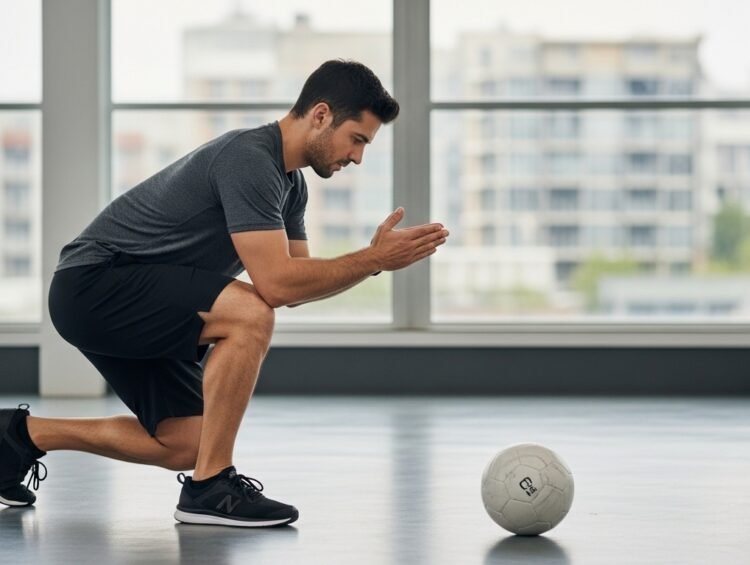
Sometimes starting an exercise may be more difficult with age. Adequate warming up could train the muscles and joints to move. The progressive intensity would help to make the workouts easier and may lessen the post-workout pain.
Slowing Down After Busy Days
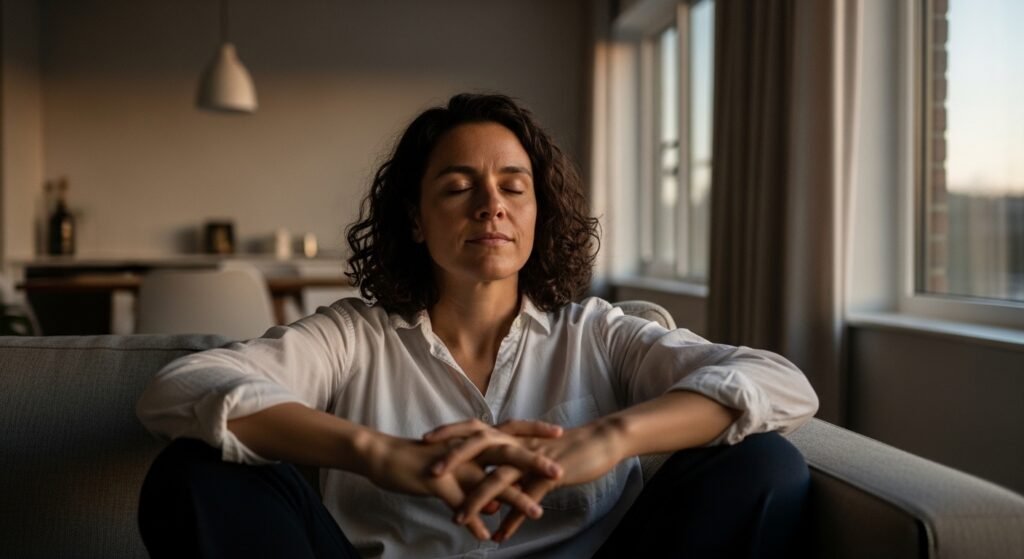
A slow shift between workday and rest time may be beneficial to the body. An evening of silence may enable the mind and the muscles to relax. This practice may eventually normalize the sleeping process.
Using Simple Recovery Tools
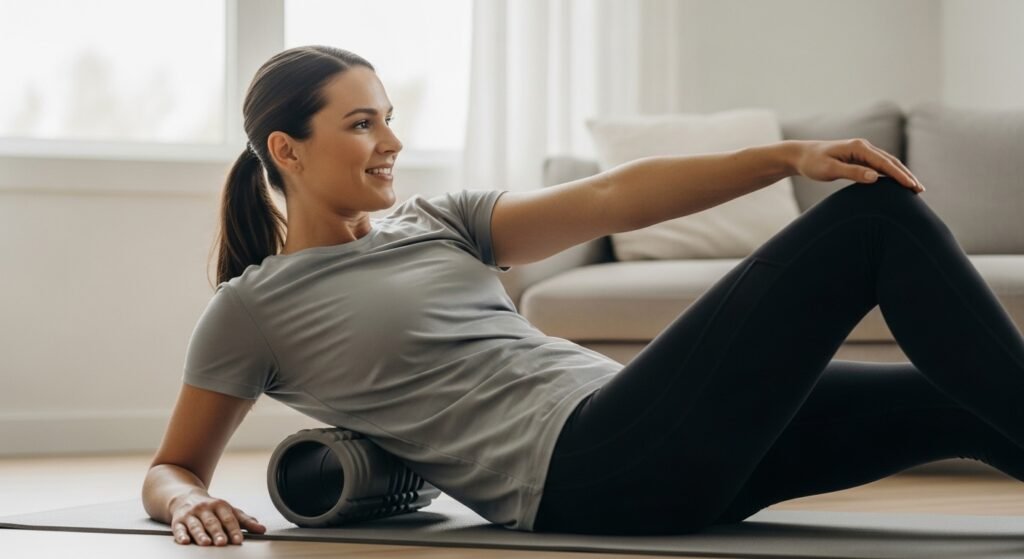
Others get relief in the use of simple recovery devices such as foam rollers, heating pads, or a light massage. The techniques could be useful in alleviating post-exercise stress. Although outcomes might not be the same, they may become calming sections of a healing process.