 Sofia Martin
 On paper, it is so easy to build muscle. Eat more, lift more, grow more. However, as soon as one enters the world of fitness, the controversy starts. Is it better to focus on the old-fashioned bulking of a large calorie surplus, or is lean bulking the wiser course? The two methods can be effective in building up muscles, yet experience usually makes them feel quite different. Others can take pleasure in the liberty to eat more freely without strict restrictions, and others can have a slowed-down and more controlled approach. It is not merely a matter of size but of sustainability, comfort, and results that are good in the long run. We shall see how both approaches may assist and what they can provide.
Understanding what bulking really means
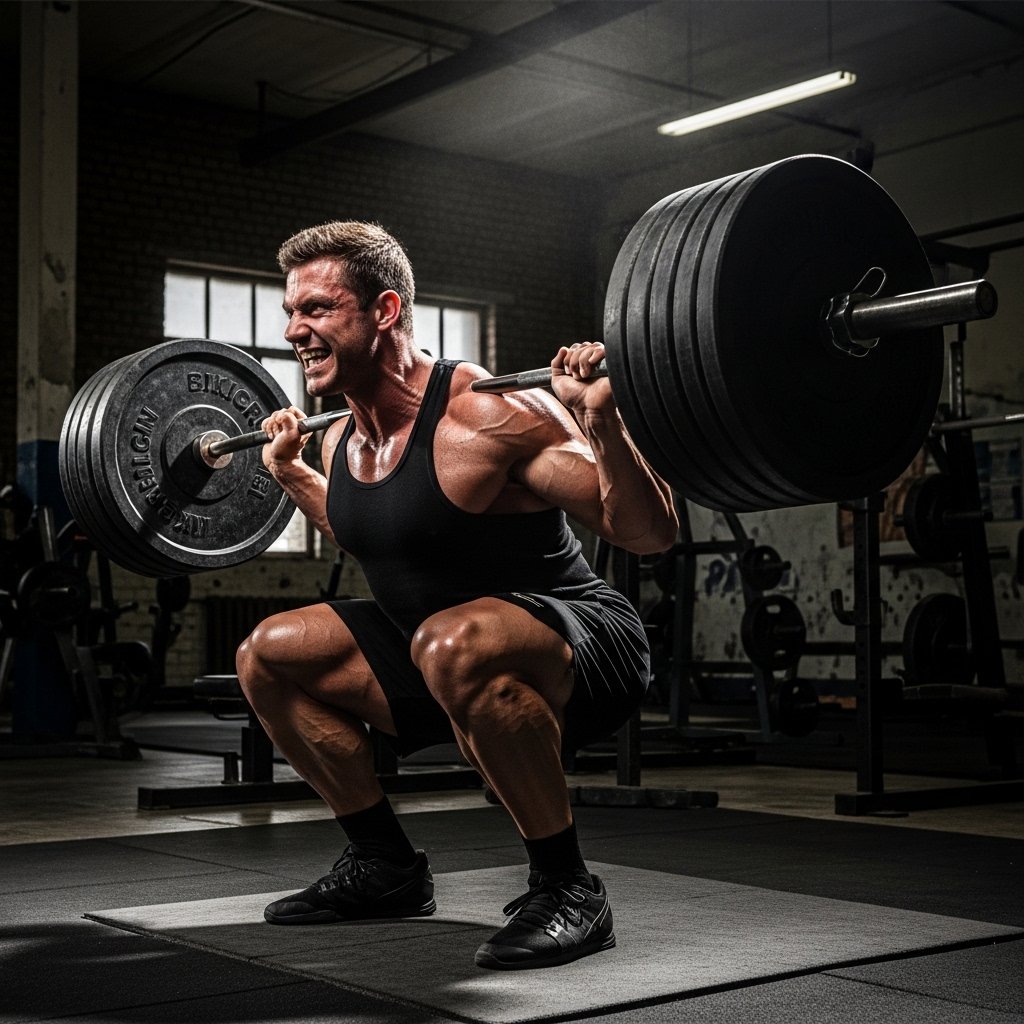
Bulking is typically the act of consuming in a calorie excess with the intention of building up muscle. It could be the belief that increased food aids in greater training and rest. But in the process, it may also cause certain fat gain due to this excess.
What lean bulking is all about
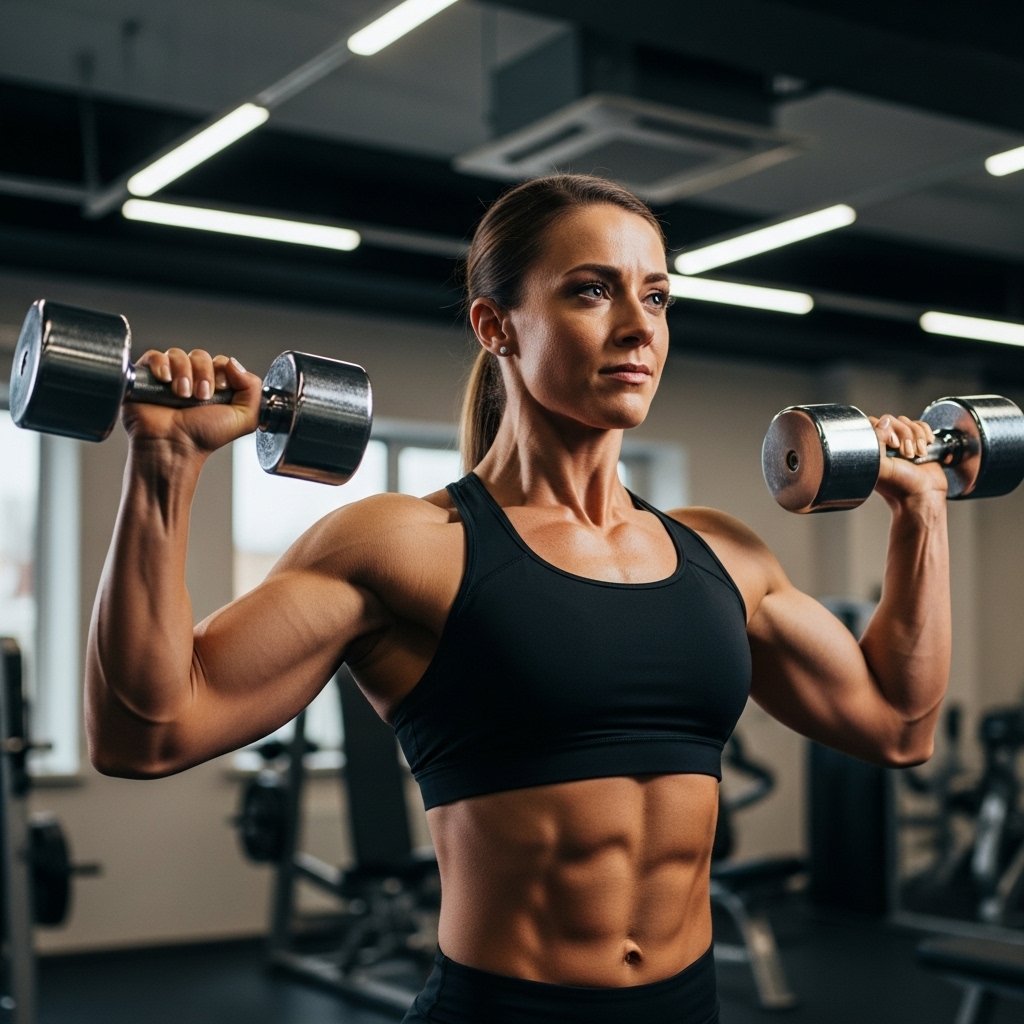
Lean bulking is also more inclined to concentrate on a reduced-calorie excess. The goal is usually to build more muscle in an attempt to reduce unnecessary fat accumulation. The innovation might feel less fast, though there are those who enjoy the slow and calculated method.
Training intensity and performance
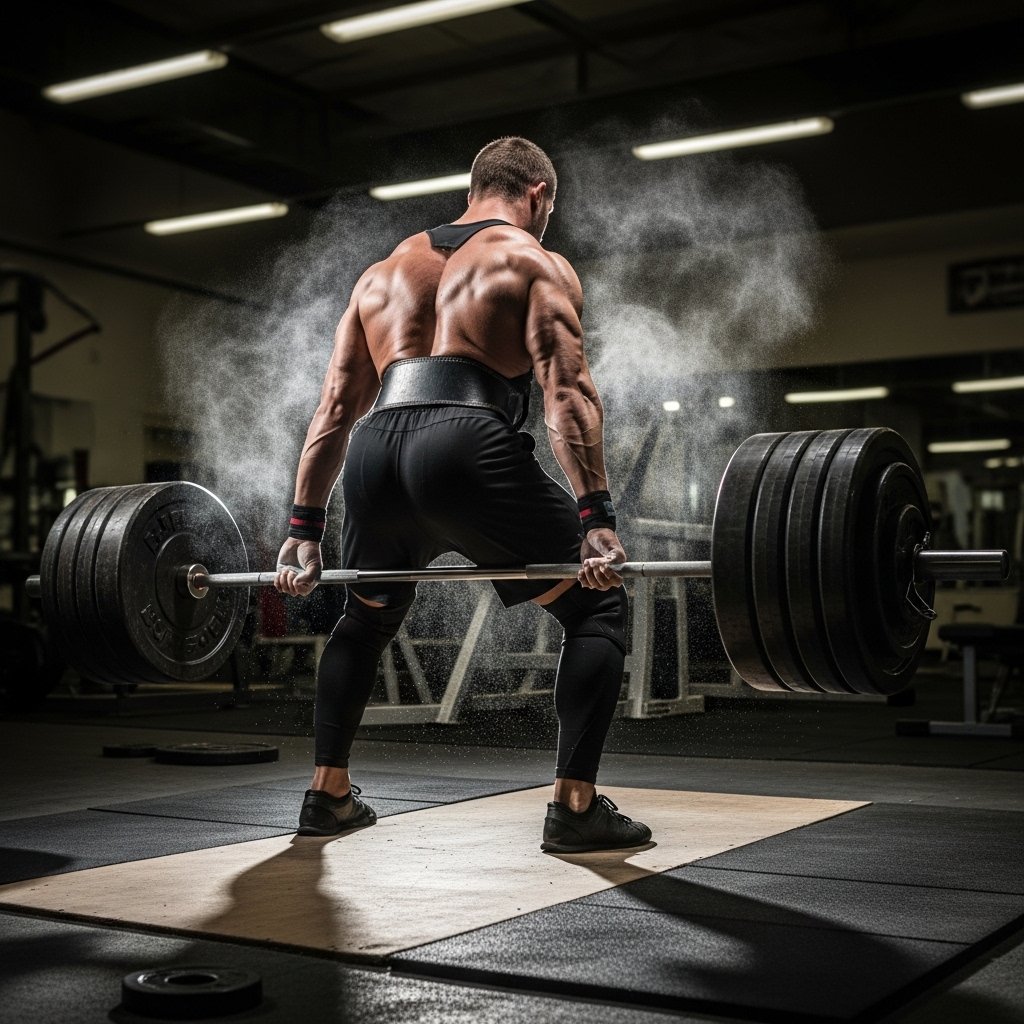
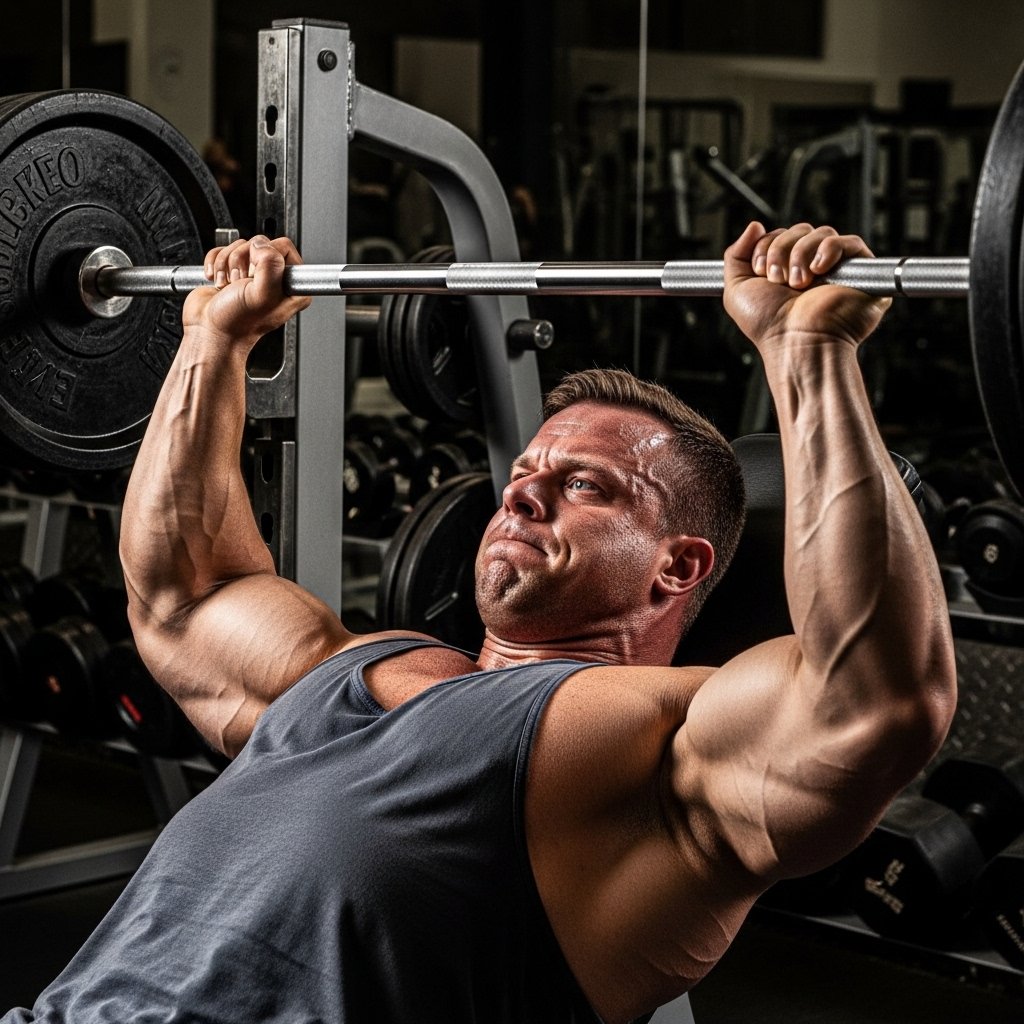
The increase in calories may lead to a better level of energy during the workouts. There are others who feel stronger and superior in bulk. Lean bulking can also be used to aid performance; however, the progress can be less rapid than that.
The psychological factor
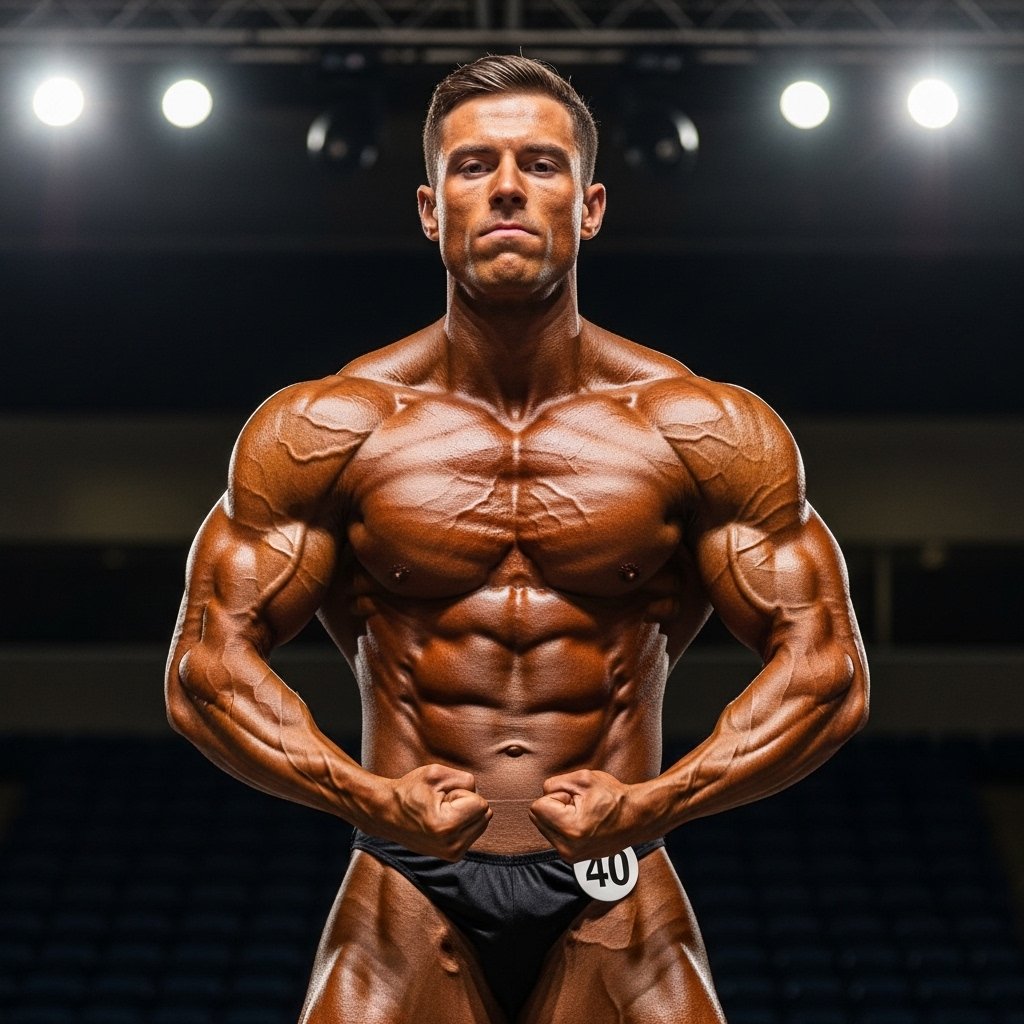
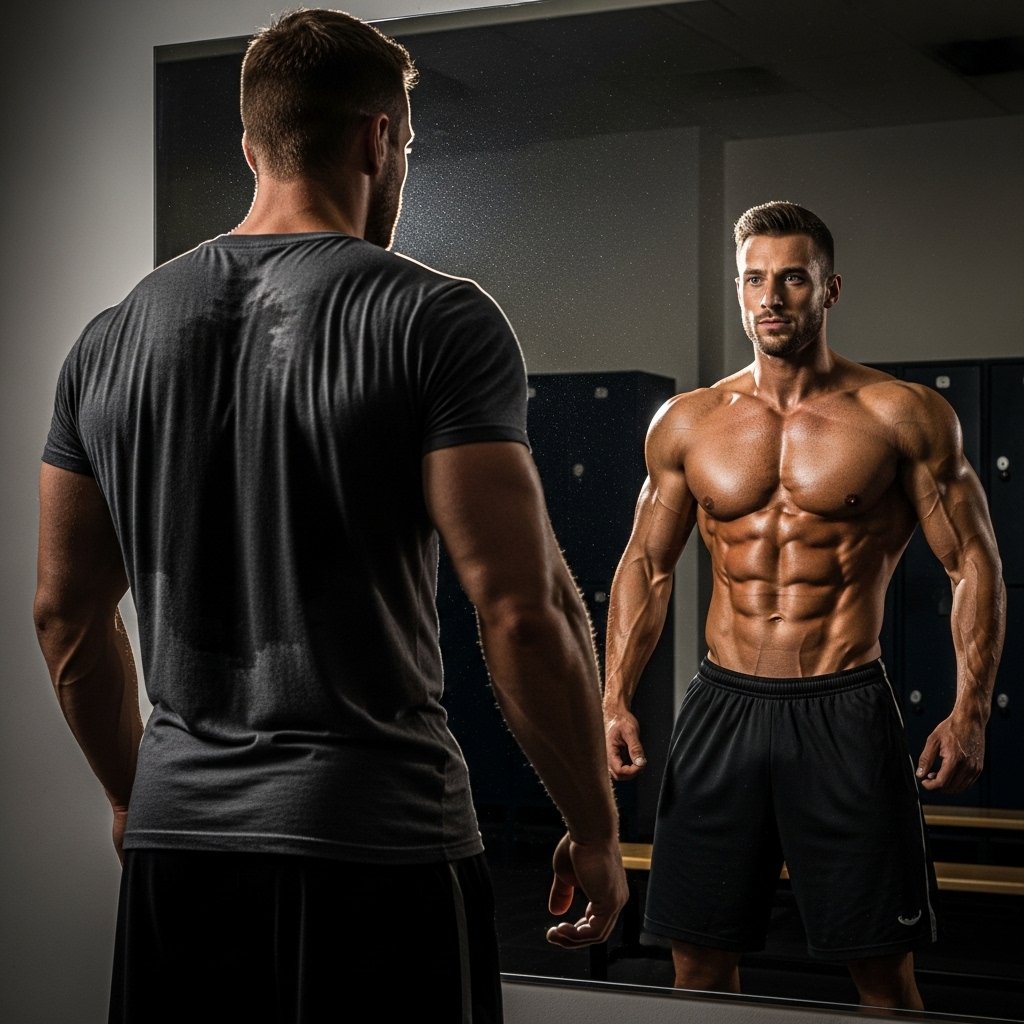
Freedom to eat in bulk could be liberating to some. Rapid weight gain could be uncomfortable for others. Lean bulking can provide a feeling of control, and this would enable individuals to remain consistent in the long term.
Cutting after bulking
A cutting phase can be employed to trim body fat after a traditional bulk. There could be extra time and effort in this cycle. Depending on the results, lean bulking may become a lighter or longer cut.
Nutrient quality matters
Food quality can affect general health and recuperation even in a calorie excess. Balanced nutrition is largely promoted in lean bulking. The nutritious foods can also be used in traditional bulking; some of them may have more dependence on foods rich in energy.
So, which method shows real results

These two methods can demonstrate results when accompanied by systematic training and adequate rest. Traditional bulking could lead to a quicker increase in weight, whereas lean bulking could be a slower way to change how one looks. Actual outcomes may be more reliant on the label than consistency, patience, and the suitability of the plan to daily living.