
 Sofia Martin
 At some point, the body begins to give subtle warnings. Maybe in the morning the knees are a bit stiff. It is possible that lifting grocery bags is heavier than before. Changes may exhibit themselves silently after 40, and initially, it may seem rather unexpected. However, this step may also become an effective turning point. Strength training will usually not be so much about the looks as the ability to feel stable, competent, and strong. It may not appear to be tough workouts or exercises. At times, there is just the start of learning to move with purpose once again. And those changes are the only ones that can change considerably with time.
Understanding the changing body
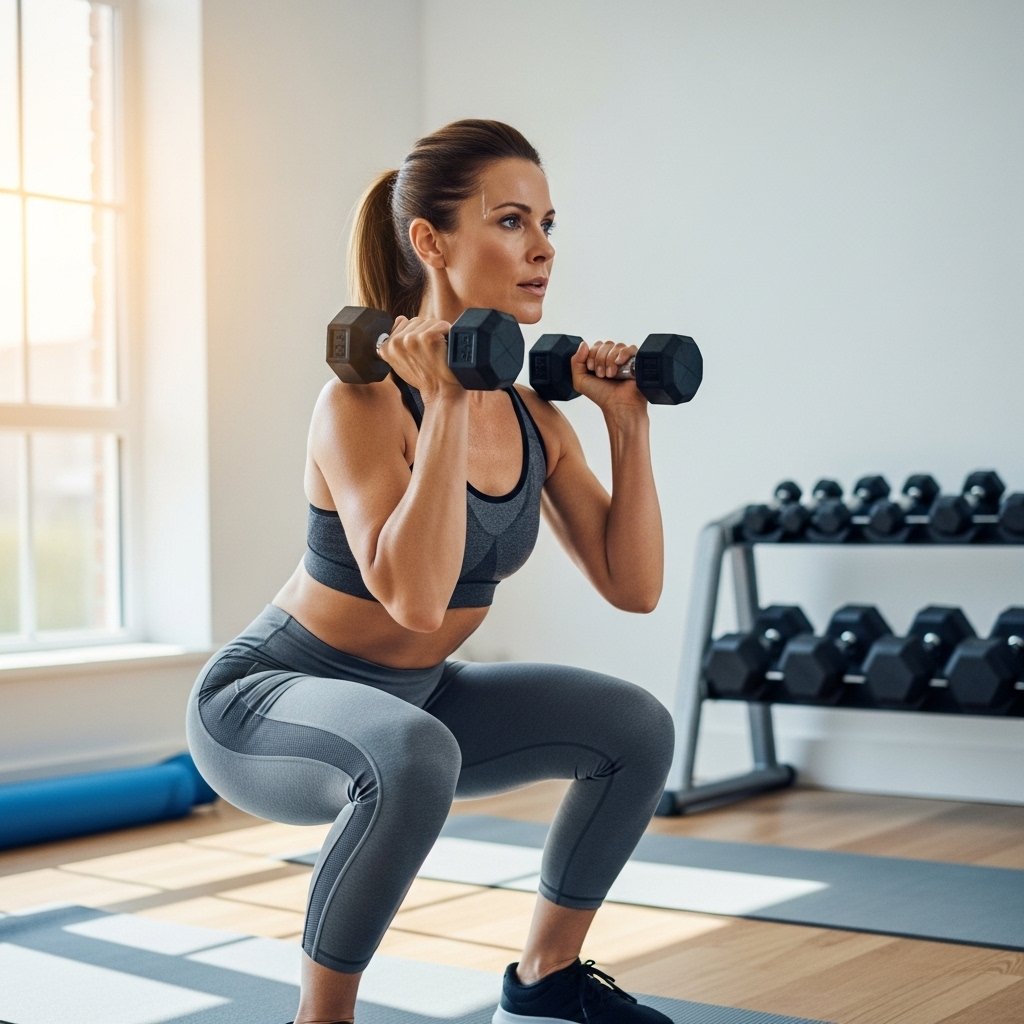
Muscle mass can be reduced slowly after age 40, and the metabolism can also slow down. Energy may also have hormonal changes that change the daily experience. Strength training can be one of the methods to assist in maintaining muscle tone and balance, but every encounter is unique.
Why muscle matters more now

The important part for many people is that of the muscle. It can assist in posture, joint stability, and daily movement. It would be easier to have it maintained to achieve an easier everyday routine. Although this may not be true, the increased strength may make the body feel supported in the long run.
Metabolism and energy levels
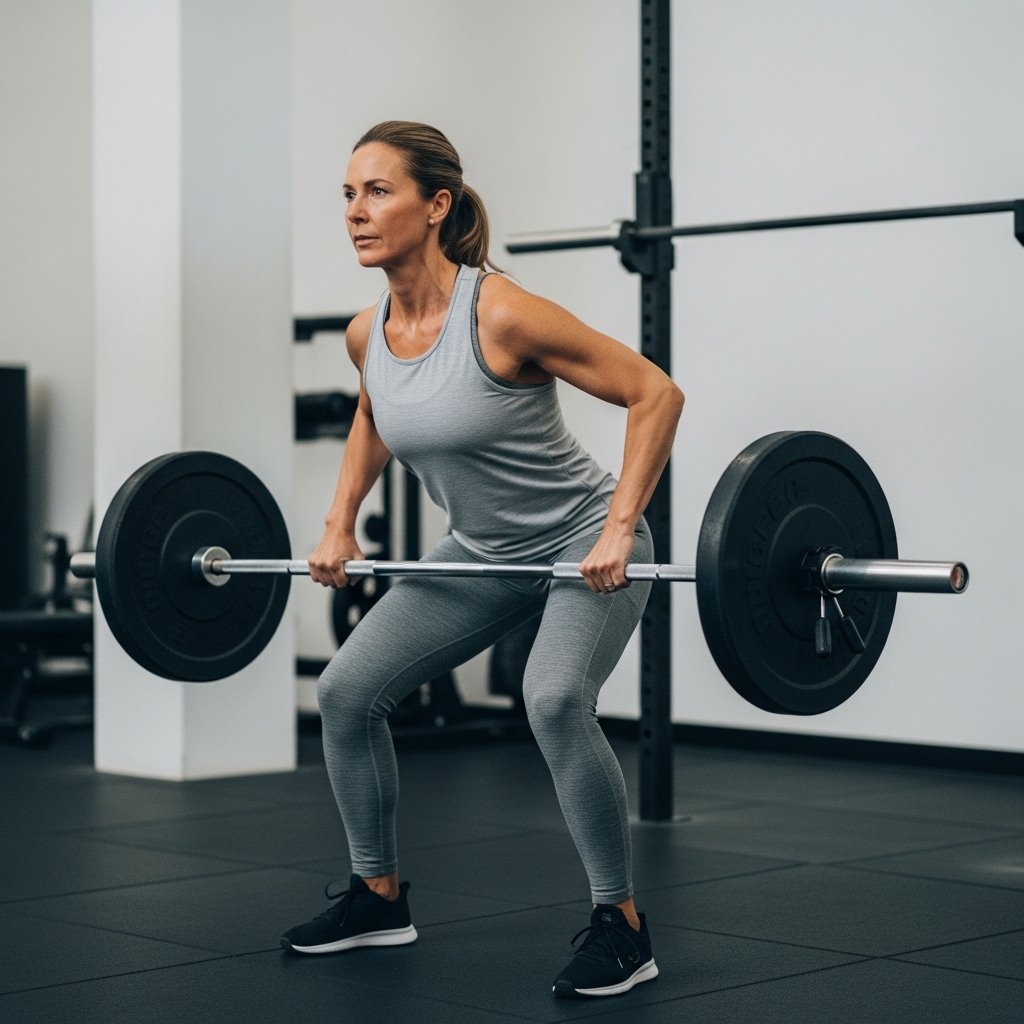
Fluctuation of energy may become more pronounced after 40 years. Strength training may assist in maintaining lean muscle, and this may affect the body’s energy consumption. Although it is no short-term solution, steady work can be helpful in the long term in terms of overall vitality.
Joint care and smart movement

Other women fear that weight lifting would put a strain on the joints. Strength exercises, in most instances, may be helpful in maintaining the joints. The correct form and moderate resistance may decrease the unwarranted stress and enhance the functional movement.
The role of recovery
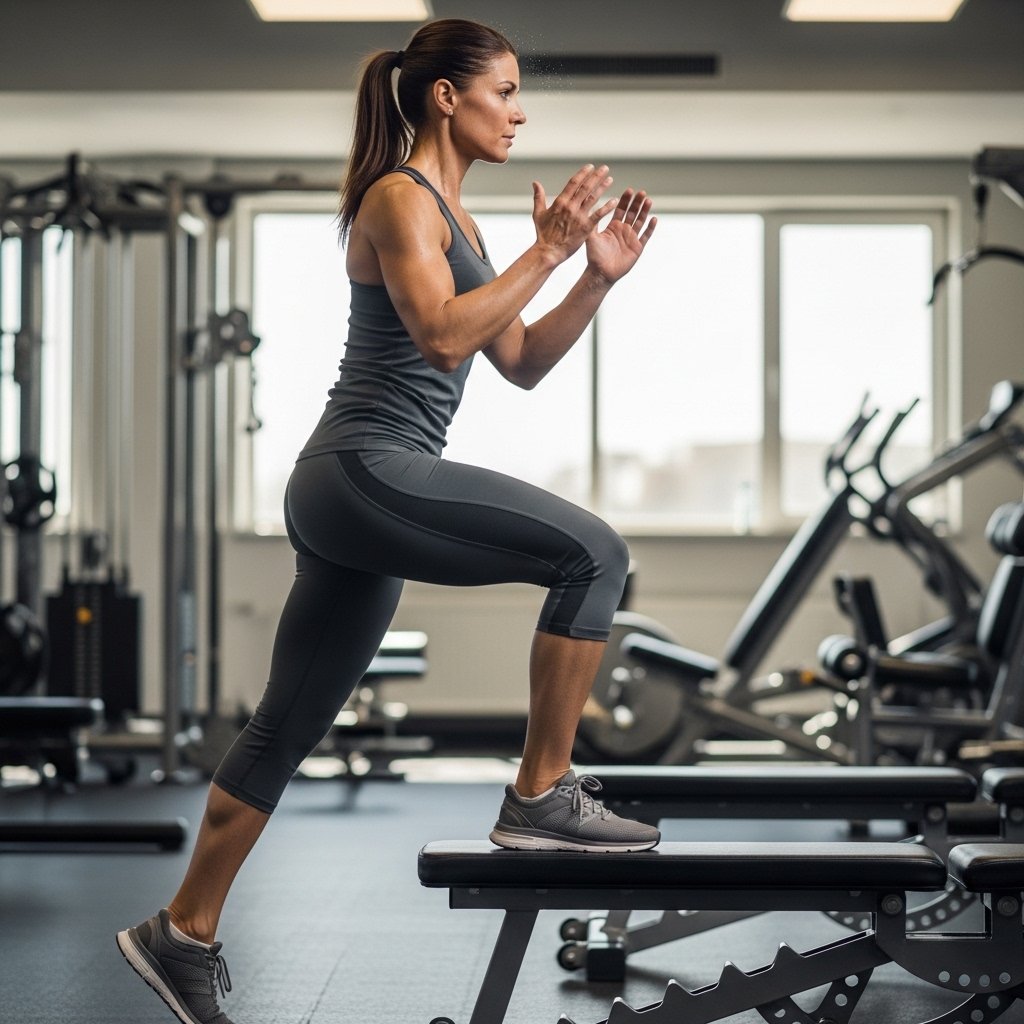
The recovery can be more significant as one gets older. It may also require the muscles to recover more slowly. Taking rest days, stretching, and sleeping well may help progress. The body can be the best speaker, and it is not always necessary to get the workout done.
Core strength for everyday support
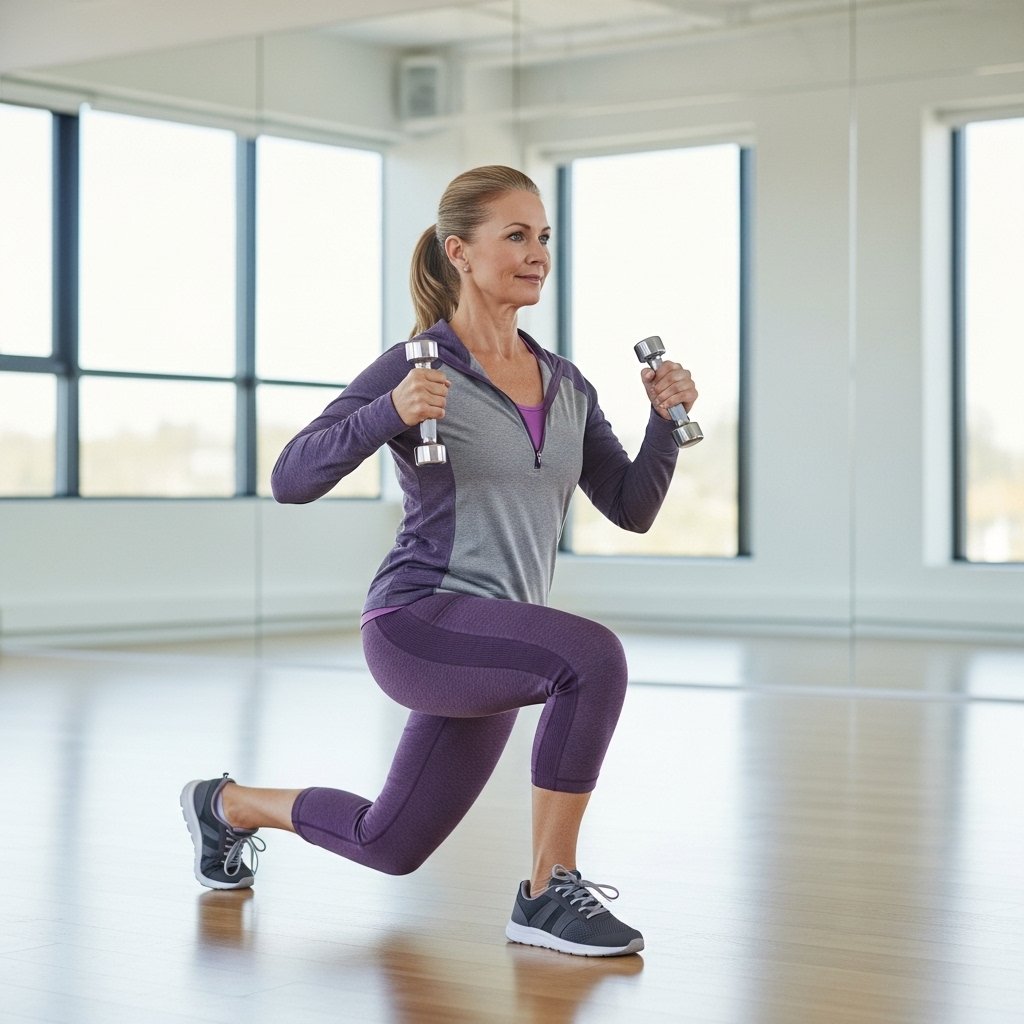
These are core muscles, which do not just model the midsection. They tend to promote back comfort, balance, and posture. Mellow planks, seated twists, or stability may assist in developing inner strength that would be reflected in normal life.
Confidence that builds gradually

There is an added advantage of strength training. He or she can build confidence when he or she senses that the weight is not so heavy and that the moves are more stable. The development may not necessarily be reflected in the mirror, but it may be reflected in posture and presence.
Managing stress through movement
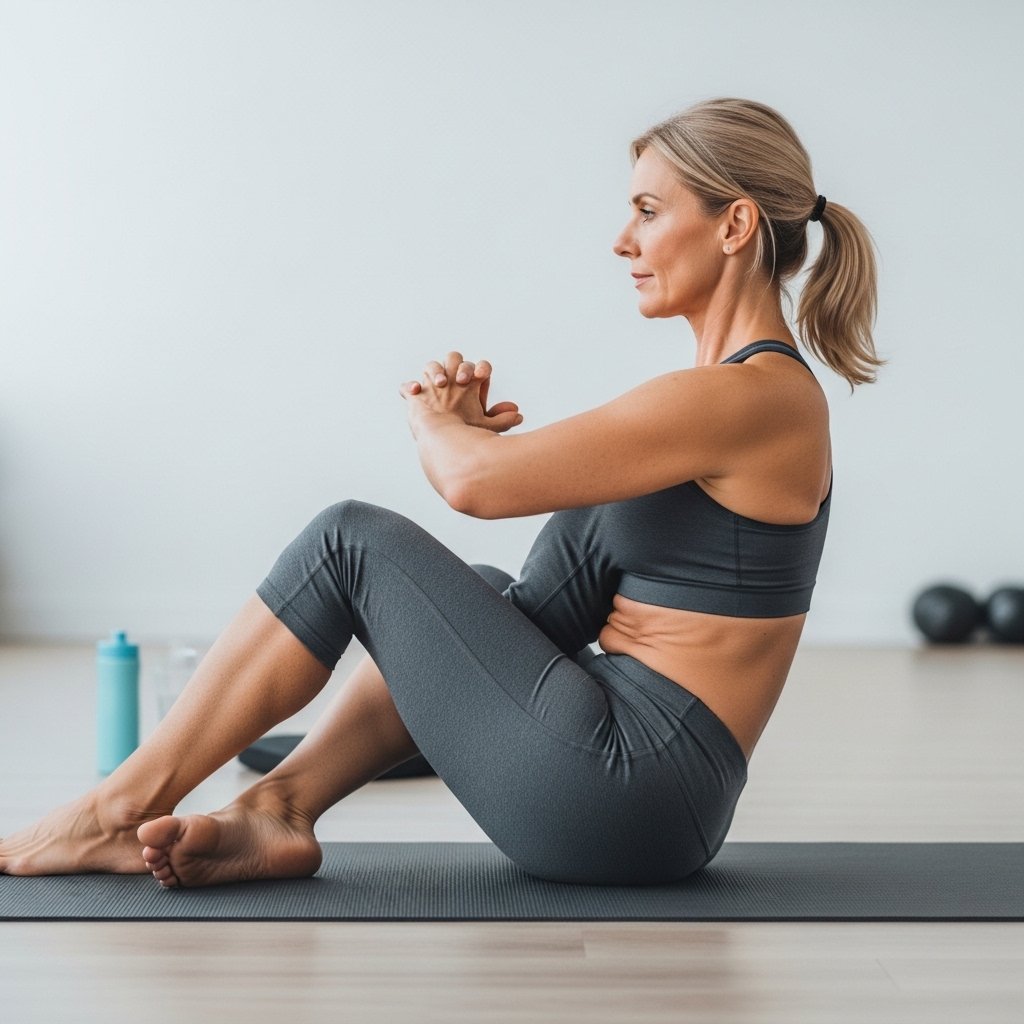
There is something full and responsible in post-40 life. Exercise could provide a good stress reliever. Lifting and breathing rhythms may provide segments of concentration that will relax a hectic mind.
Letting go of old fitness expectations
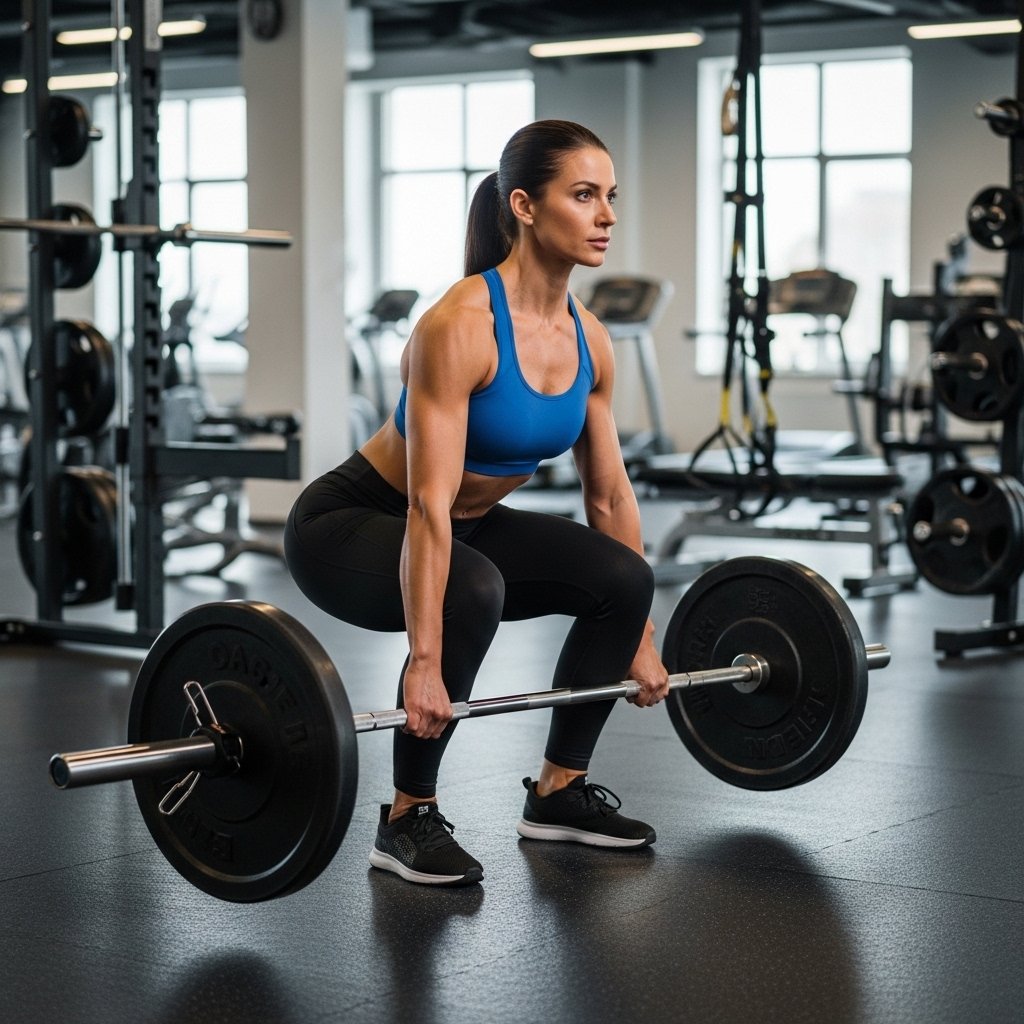
Exercises during the twenties may not be exercises following 40. Comparison of the past performance might not necessarily be useful. The change of the emphasis on longevity and comfort may lead to a healthier relationship with exercise.
Building strength for the long run

The post-40 strength training is frequently concerned with sustainability. It may not be of explosive changes but of remaining competent and consistent. They can proceed slowly with realistic ambitions and find the process of change empowering and very personal.