 Avery Thompson
 The idea of going to the gym and immediately going to the bar may seem to be productive, particularly when there is a lot to be done. Nevertheless, it is hard to avoid admiring the fact that taking a five-minute break before the first rep is really good. A brief warm-up will not look like much but it can silently establish a certain mood for everything that will follow it. Muscles tend to act well when they are prepared, joints might move more smoothly, and concentration can be brought into gear. This schedule is easy, fast, and realistic compared to actual schedules. It does not promise magic. It merely leaves the room to have the possibility that every pull might be a bit stronger and more focused.
Arm circles to loosen the shoulders
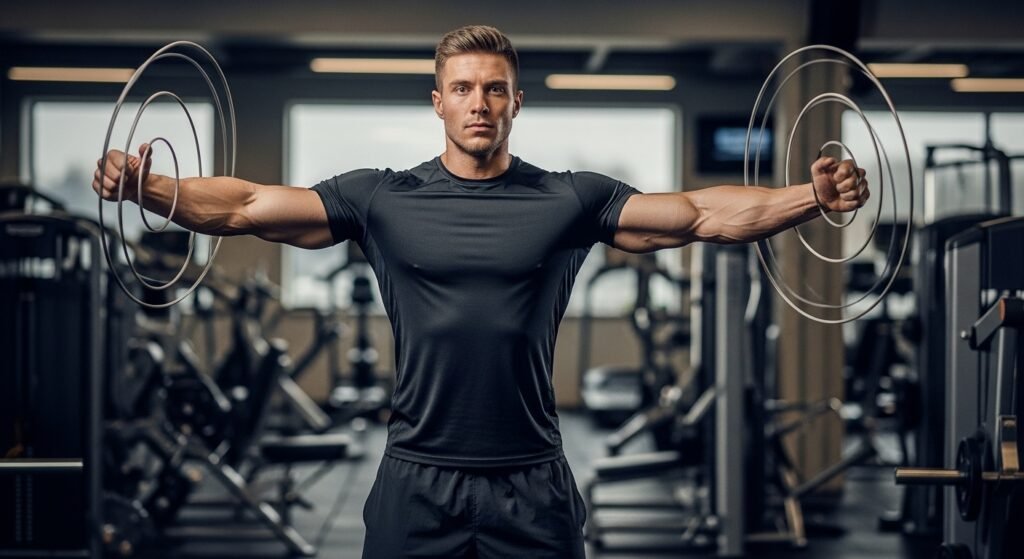
Circling the arms slowly forward and backward may help loosen up the shoulders. This tiny stretch needs to be pretty stable in the lower part of the upper body, and this practice may lead to joints feeling smoother before the process of pressing or pulling.
Hip circles for lower body mobility

Hip circles under control might help in improving the squat and deadlift range of motion. In cases of tight hips, lifts may be limited. Several constant rotational movements could lessen that entrenched feeling and warm up the lower body.
Bodyweight squats to groove the pattern
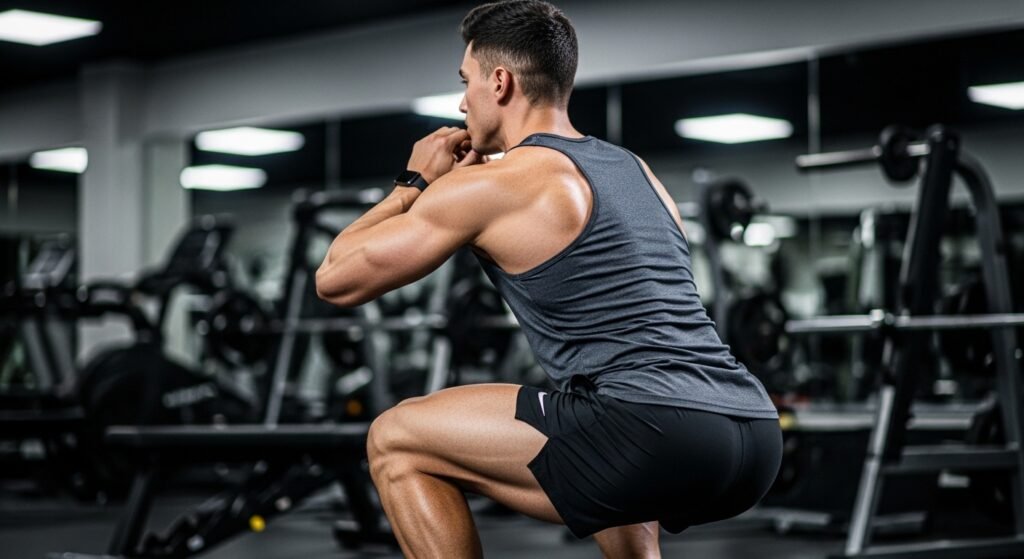
A few slow squats using only the body weight could help to cement the right movement pattern. It enables focusing on posture, knee monitoring, and balance without excessive weight that might render the shift to weighted squats more instinctive.
Glute bridges for activation
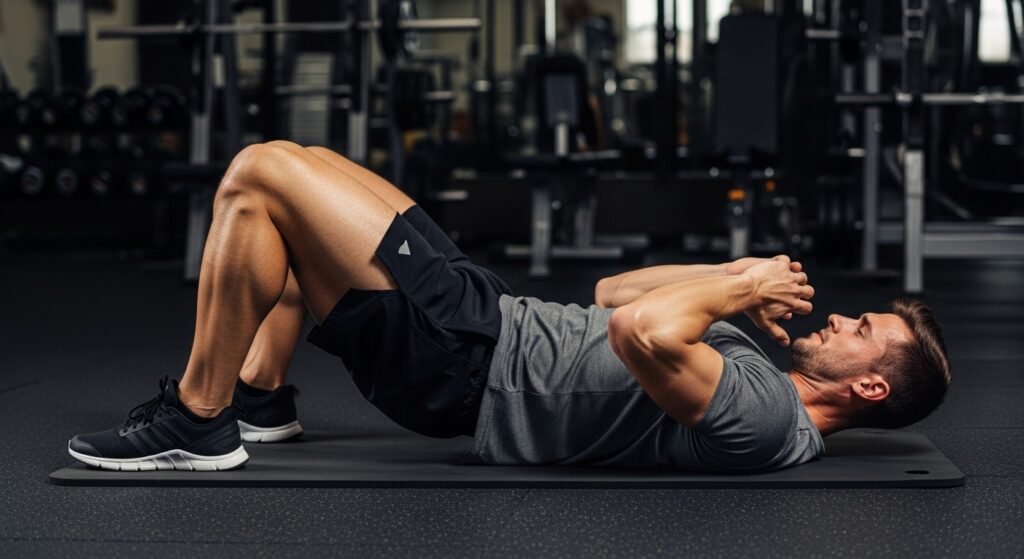
Before the compound lifts, glute bridges could be used to wake up some muscles. An upward pause of the squeeze might stimulate the awareness of the hips, which can help the lower body movements to be stronger and more stable.
Cat-cow for spinal awareness
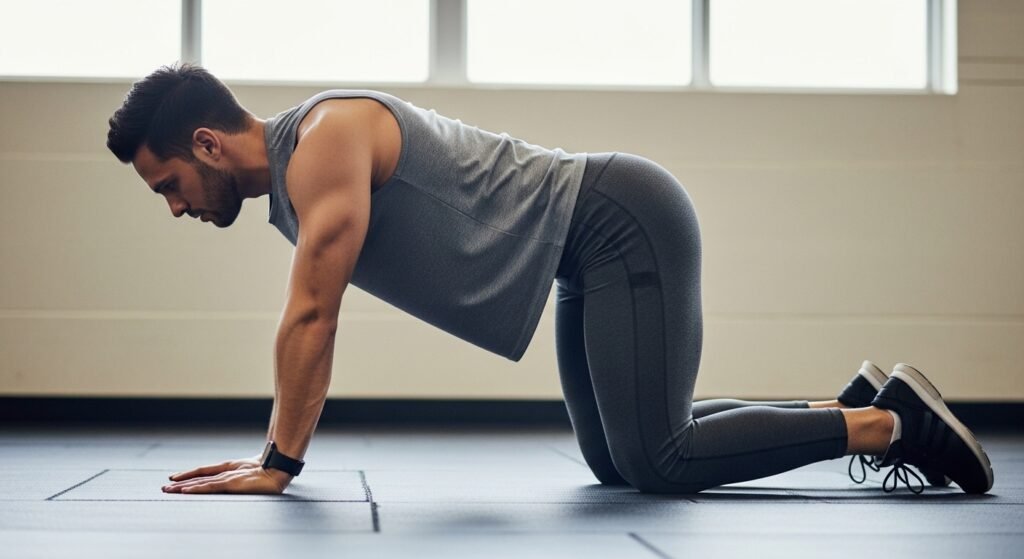
Even passing through some controlled cat-cow poses could raise awareness of the position of the spine. This mild flexion and extension may assist lifters to achieve a neutral spine more easily when performing rows, deadlifts, or presses.
Scapular retractions for upper back engagement
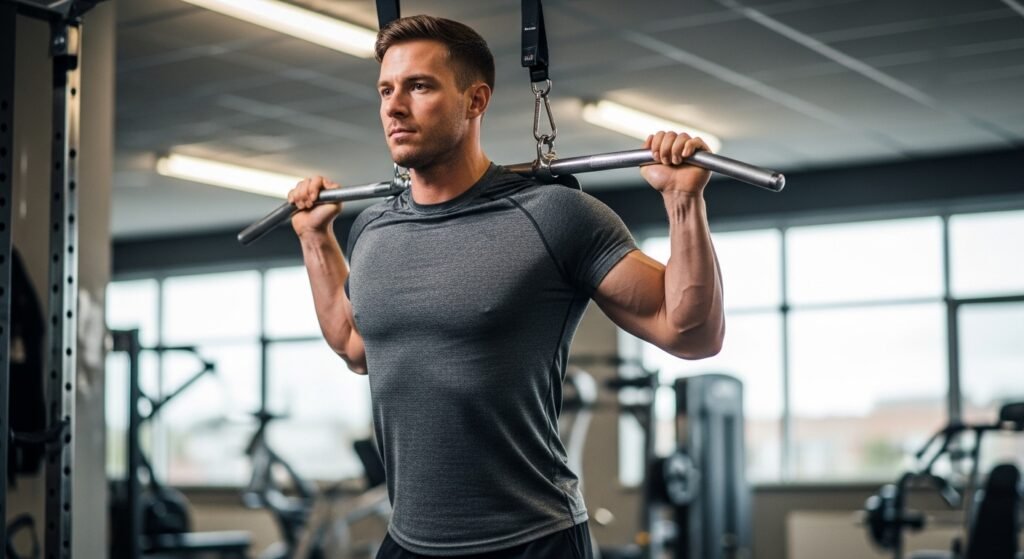
The upper back muscles may be prompted by standing or hanging scapular retractions. The pressing and pulling exercises are often supported by a stable upper back, and the given drill may potentially assist in enhancing the posture prior to the introduction of heavier loads.
Lunges to open the hips
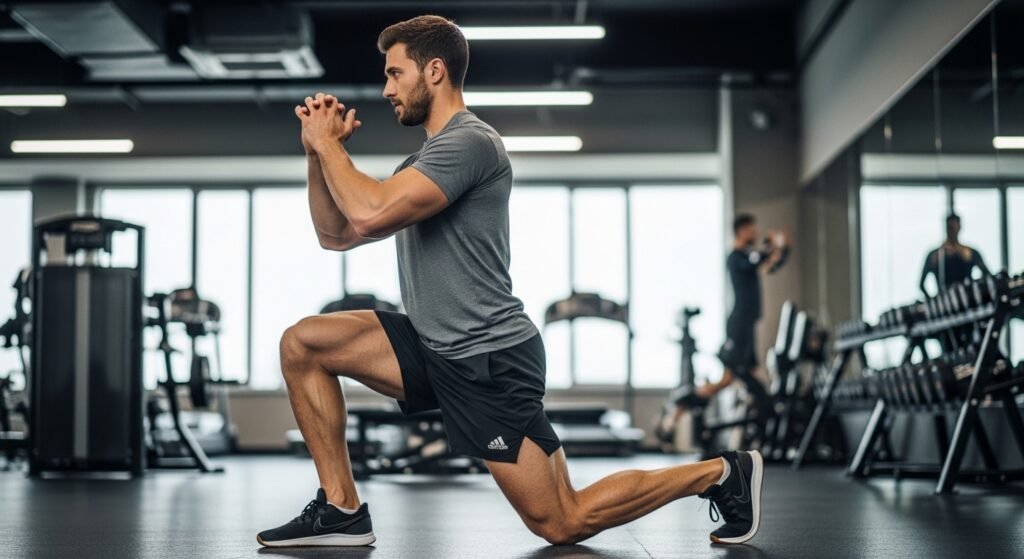
Bodyweight forward or reverse lunges may be a gentle stretching of hip flexors as well as activation of the legs. The stretch and strength combination may assist in making the stepping movements and squats more fluid.
Plank hold for core stability
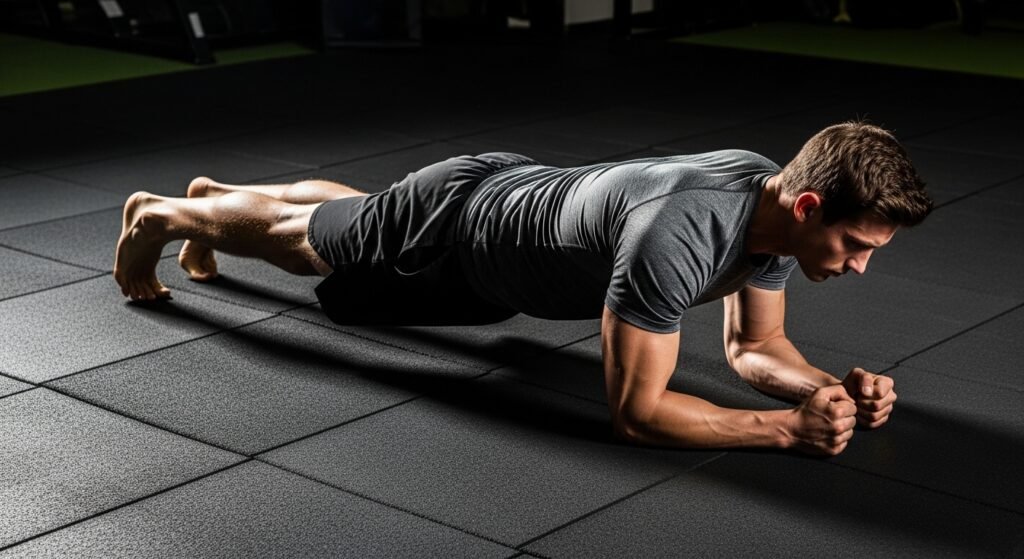
A plank hold, which is short in length, can be used to focus on the core. The experience of the abdominal muscles activating may be useful in helping to maintain a more stable form during lifts, which may result in a more stable form under weight.
Band pull-aparts for shoulder balance
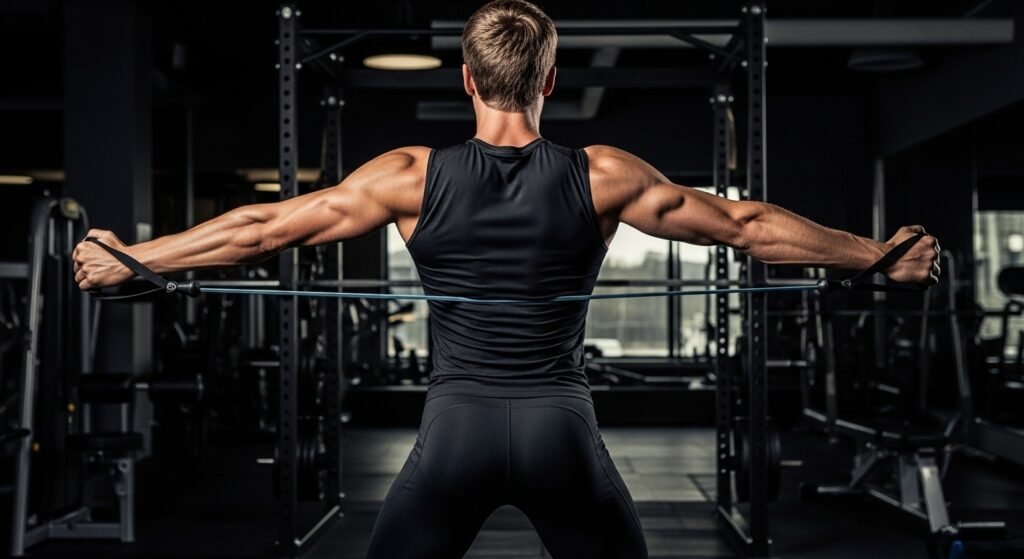
Balanced shoulder activity may be promoted by using a light resistance band during the pull-aparts. It may assist in overcoming tightness caused by sitting every day and may warm the upper body to do the exercises involving pressing.
Light practice reps with an empty bar
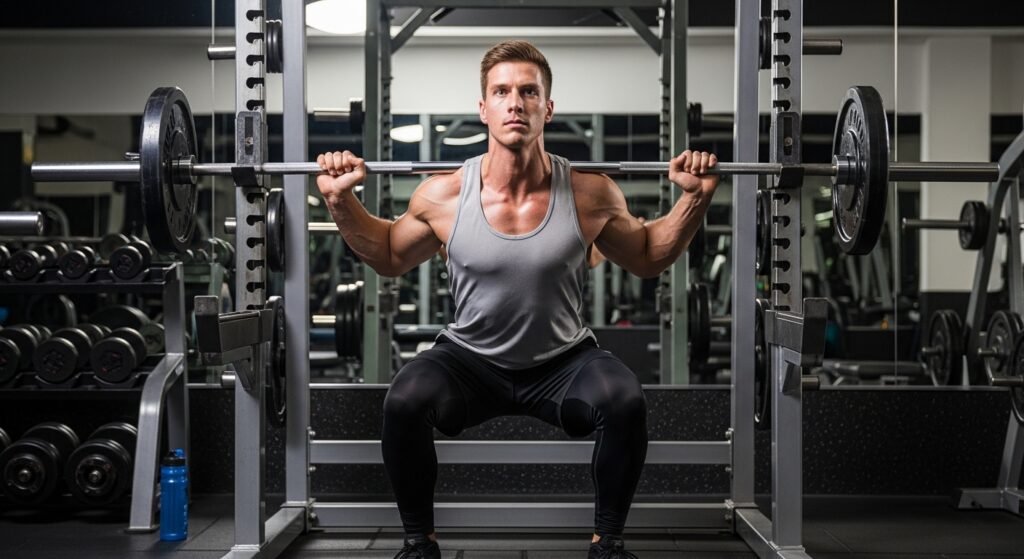
Practice. Before loading the plates, one can test the lift by pulling the empty bar through the desired lift. This may decrease the rigidity and enable minor variations in grip, positioning, or breathing prior to escalation.
Controlled breathing to set focus

Resting between movements with several steady breaths can be beneficial to get the attention inward. Relaxed breathing may also possibly enhance coordination and bracing, particularly when it comes to warming up to heavier sets.