 Sofia Martin
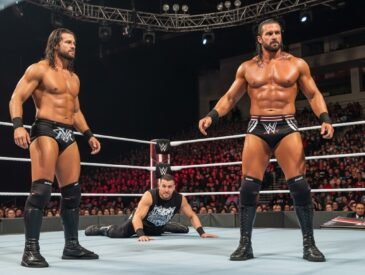
 The adult fan base of professional wrestling reaches the entire world in the form of TV, streaming, and live performances. Major promotions have been reported in the industry that have millions of weekly viewers, a large proportion of which are between the age of 25 to 54 years. Although wrestling is perceived by most adults, as scripted sports entertainment, some of them develop habits of attachment or behaviour which translate into everyday life. The analysis of motivation, time utilization, spending patterns, and emotional dependency assists in determining when an interest can be recreational and when assistance is potentially beneficial.
Entertainment Vs. Emotional Dependence
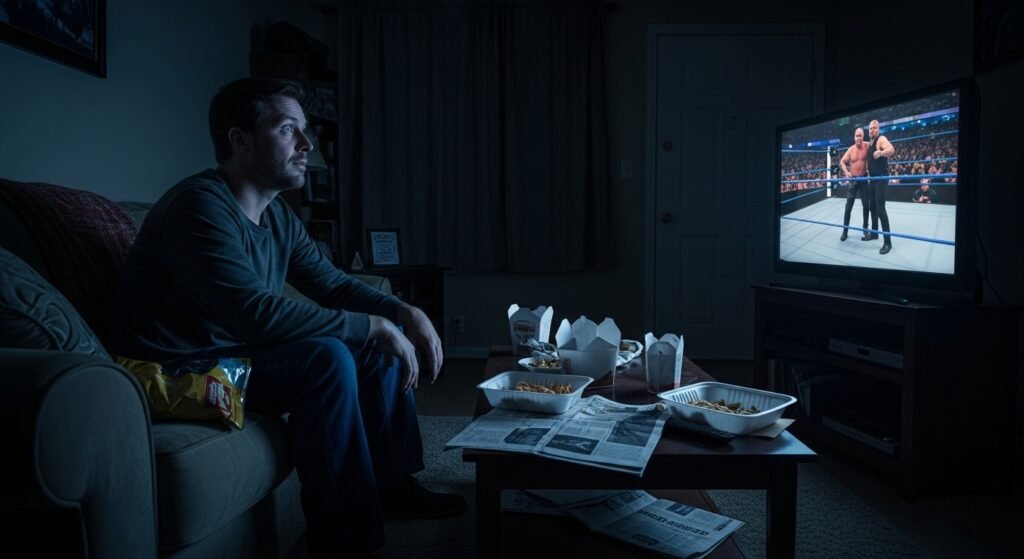
The majority of adults watch pro wrestling as an activity rather than a series to follow. The cause of problems is the view that is used as a major coping mechanism against stress, isolation, or dissatisfaction. In case emotional wellbeing relies greatly on the result of matches or the plot, external reinforcement can be suitable.
Time Investment and Daily Functioning
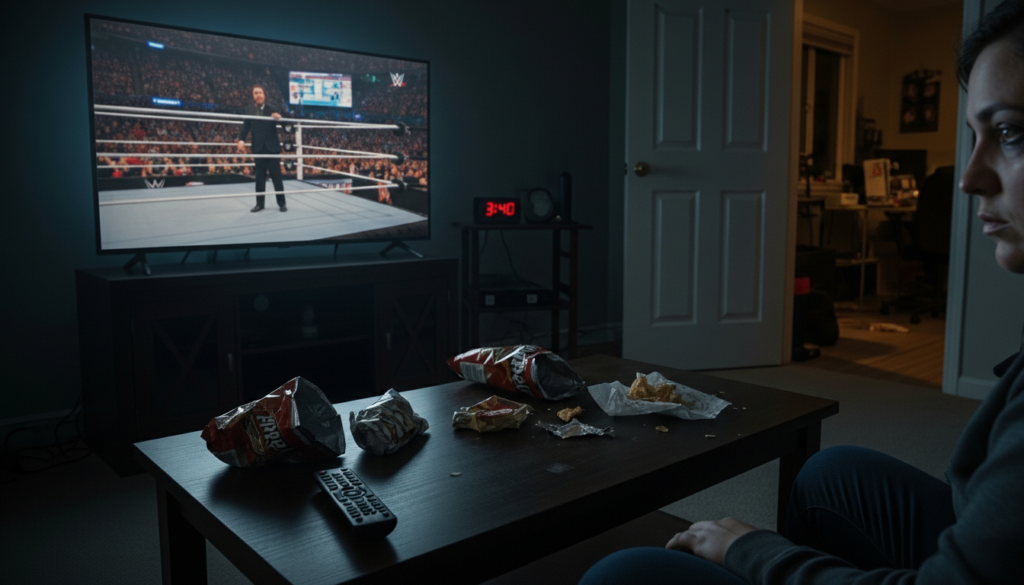
Promotional programming like WWE or AEW is typically more than five hours a week. Bonus money per views and online material extends the time of viewing. Following the deterioration of sleep, performance at the workplace or family life as a result of excessive viewing, one should consider intervention.
Financial expenditure Strategy
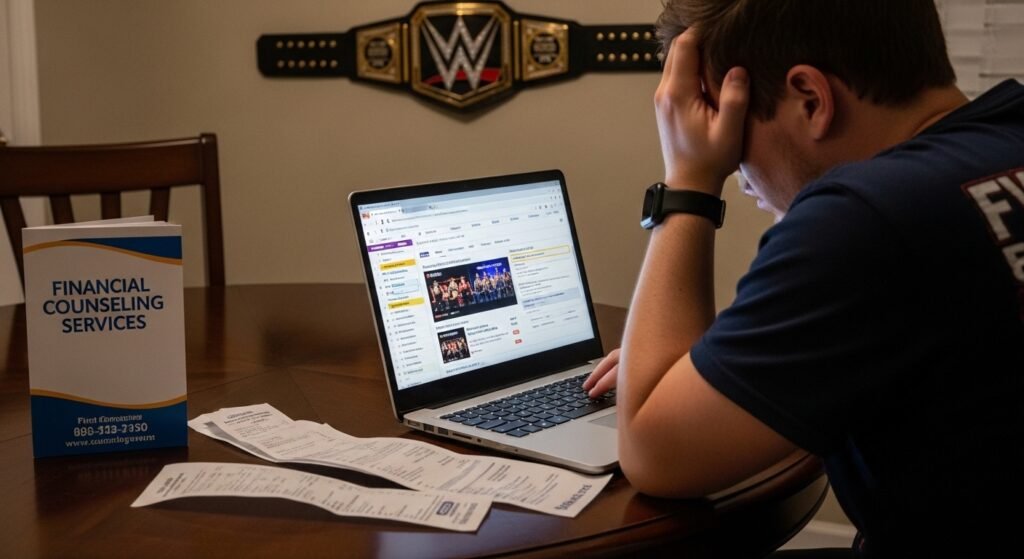
Recurring costs include live events, Merchandise and subscription services. Records of key wrestling matches indicate that the average price of the ticket is between the modest and the high-end category. When spending results in debt, late bill payments or financial pressures, then the financial counseling or behavioral guidance can be of use.
Escapism and Avoidance Behavior
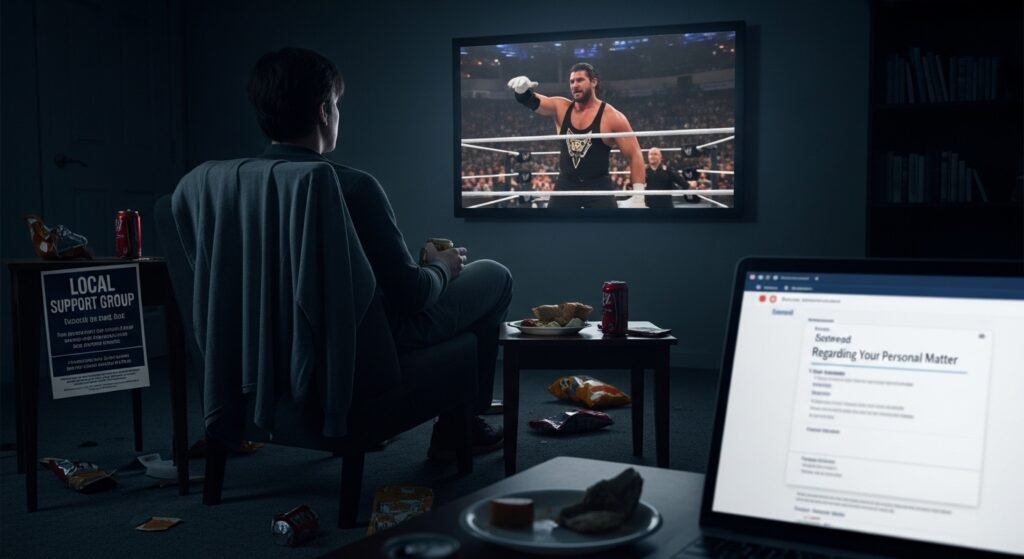
Escapism has a temporary stress relief purpose. Risk is indicated by long term avoidance of real world issues by being constantly immersed in imaginary competitions. The organized support can be helpful in case a personal problem has not been addressed because of a lot of attention paid to the wrestling material.
Social Isolation
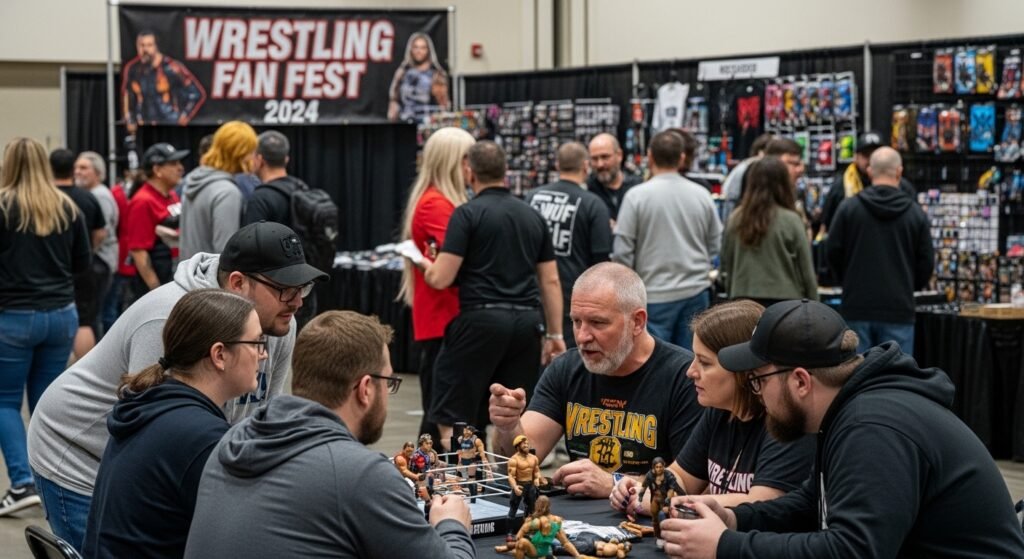
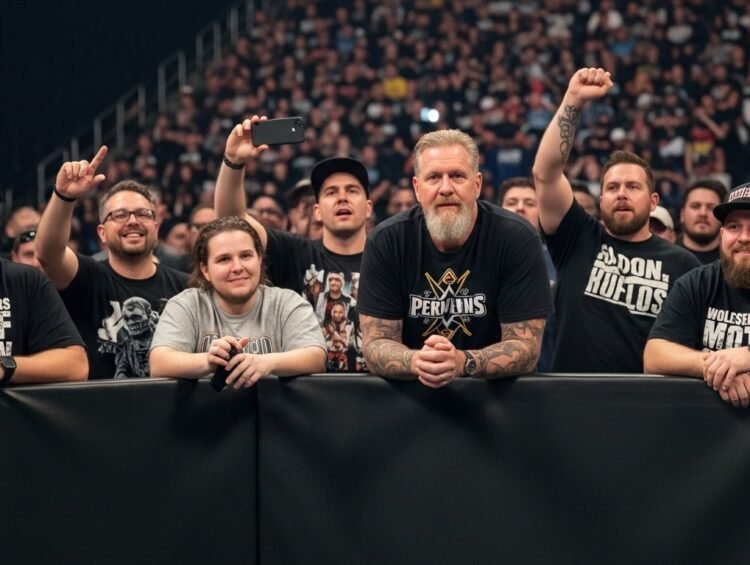
Wrestling communities provide forums, fan activities and event meetings. Connection is a result of good interaction. There is a concern that people become less connected to the larger social networks, and interact in smaller fan groups, cutting off a variety of interpersonal interactions.
Aggressive Identification
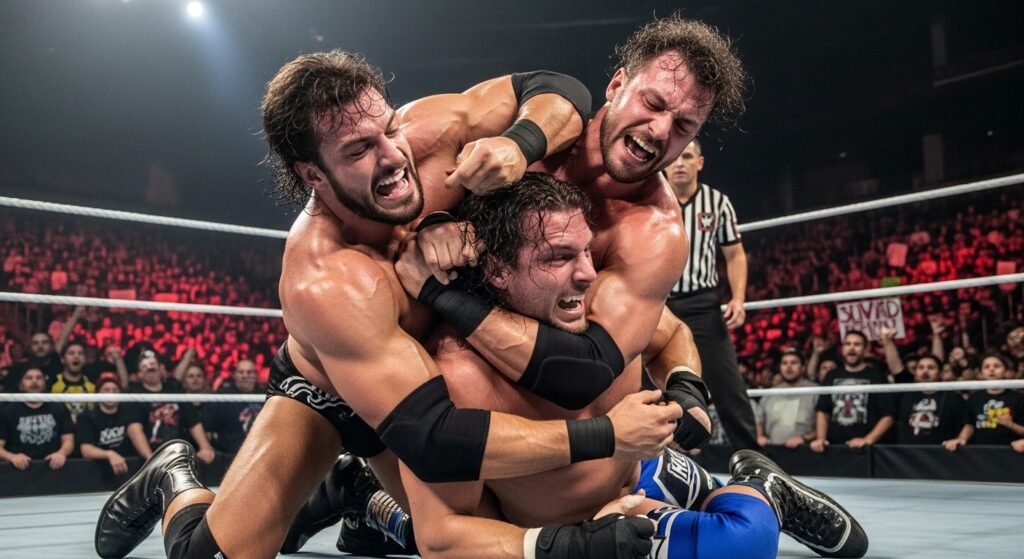
Even though wrestling is scripted, a physical confrontation is involved during presentation. Media psychological studies show that repeated exposure to simulated aggression has an influence on the mood of certain viewers. In case an individual mimics aggressive words or actions without seeing the situation, it could be a good idea to consider behavioral counseling.
Mood Regulation Patterns
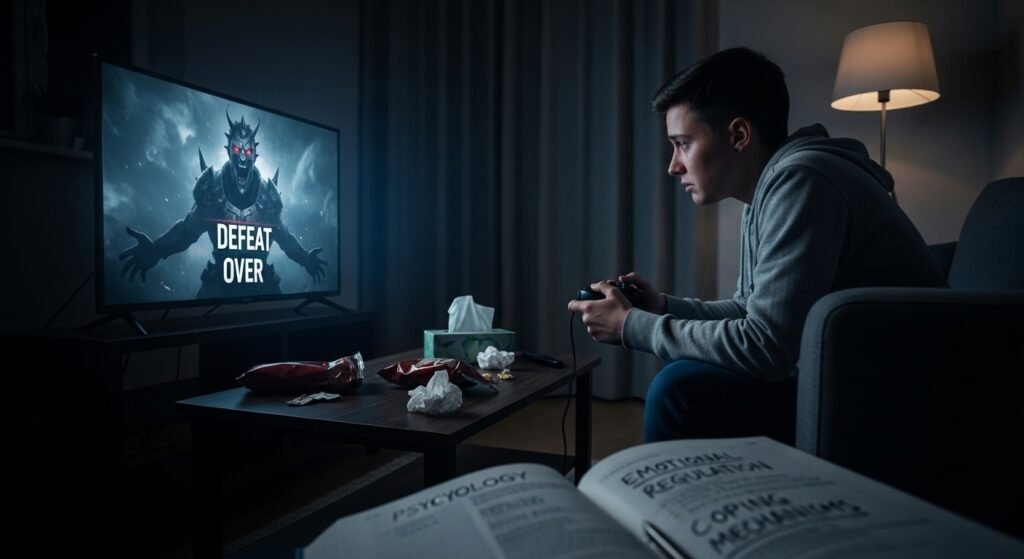
There are adults who complain of mood swings associated with the result of the storyline. Feeling disappointed when playing a scripted loss or angry at the fake villains refers to the vague line between entertainment and emotions control. Such patterns are evaluated by mental health professionals so as to reestablish balanced coping mechanisms.
Internet Warfare and Cyber indecency

Social platform wrestling is usually characterized by intense conversations. Overspending on online conflicts makes them more stressed and spend more time on the screen. In case of digital argumentation instead of constructive communication or work routine, moderation strategies are recommended.
Identity and Self Concept

Wrestling fandom has become an essential identity marker to some adults. Although hobbies give the identity, there is imbalance when the value of self is relied primarily on the promotion or the performer. Supportive therapy aids in the expansion of self concept and the empowerment of diverse roles like professional, partner, or community member.